An 8-ball of cocaine is approximately 3.5 grams, one-eighth of an ounce, a term that emerged in the mid-1980s as coded language in drug culture. If you’re encountering this term, it’s important to understand the serious risks involved: cocaine use can lead to heart attacks, strokes, and rapid psychological dependence, with roughly 5-6% of users developing addiction within two years. Below, you’ll find essential information about health dangers, legal consequences, and pathways to recovery.
Understanding the Term “8-Ball” in Drug Culture
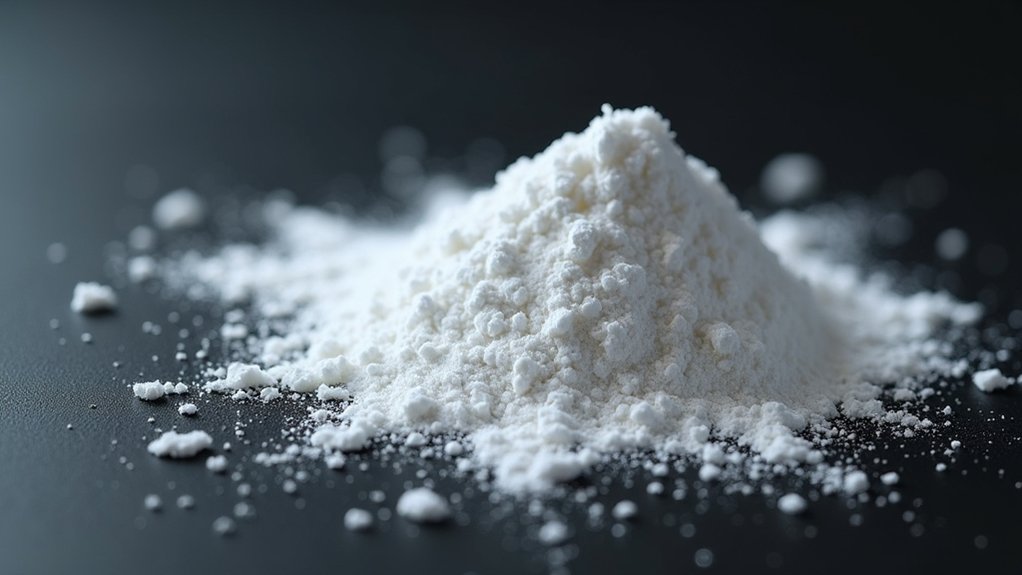
Understanding the Term “8-Ball” in Drug Culture
The term “8-ball” didn’t emerge randomly in drug culture, it comes from a straightforward measurement: one-eighth of an ounce, which equals approximately 3.5 grams of a substance, most commonly cocaine. This drug terminology first appeared in U.S. newspaper articles during the mid-1980s, coinciding with a significant surge in cocaine trafficking. During this era, the going rate for an 8-ball was typically between $300 and $350.
You might recognize “8-ball” from the game of pool, where being “behind the 8-ball” means facing a difficult situation. This connection isn’t coincidental, the idiom’s association with risk likely influenced its adoption in illicit markets. The phrase “behind the 8-ball” has roots dating back to the 1920s, well before its drug-related usage emerged.
Understanding what is an 8-ball of cocaine matters for prevention efforts. This coded language allows buyers and sellers to negotiate without explicitly naming drugs, helping conceal illegal activity from law enforcement and others. The term is also applied to other illicit substances such as methamphetamine and even malt liquor like Olde English 800.
How Much Does an 8-Ball of Cocaine Weigh?
Knowing the street terminology is one step, understanding the actual quantity involved provides clearer context for recognizing use patterns.
Understanding street measurements moves beyond vocabulary into practical recognition of consumption patterns and warning signs.
An 8-ball of cocaine weighs approximately 3.5 grams, which represents one-eighth of an ounce. This measurement remains consistent across street transactions, though actual purity varies enormously due to cutting agents. To visualize this amount, consider that 3.5 grams is slightly less than a level teaspoon of powder, just under 5 grams. This term specifically refers to a measurement of cocaine that has become standard terminology in drug transactions. The substance typically appears as a small, round ball of white powder, usually sold in plastic bags, tin foil, or cellophane.
At current gram pricing, this quantity translates to roughly 25-35 lines or about 35 individual hits. For someone developing substance use disorder, an 8-ball represents a substantial amount that could fuel multiple sessions or be shared among several people. This makes it a particularly popular option among party, rave, and festival goers where drugs are consumed in social settings.
Understanding these measurements helps you recognize consumption scales and potential warning signs in yourself or loved ones.
What Does an 8-Ball of Cocaine Look Like?
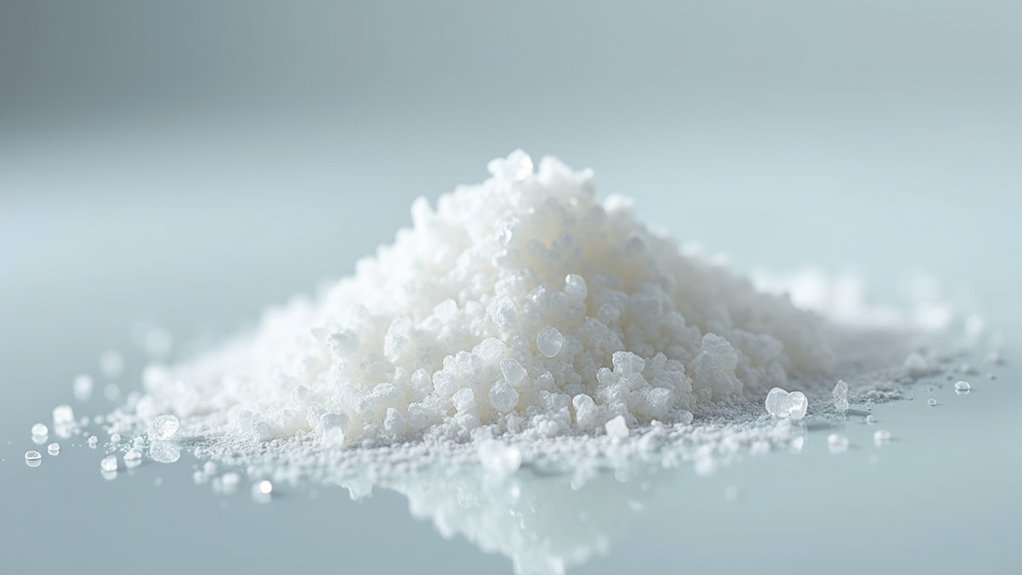
Recognizing cocaine’s physical appearance can help you identify substance use in someone you care about. An 8-ball of powdered cocaine typically appears as a compact white mass or loose powder that fits in a palm. It may be packaged in small plastic bags or wrapped in materials like foil for discreet transport. In addition to its physical appearance, recognizing behavioral changes in a loved one can be crucial. Increased secrecy, withdrawal from social activities, or unexpected financial issues may accompany substance use, highlighting the importance of recognizing cocaine warning signs.
You’ll notice significant color variations in street cocaine. While pure cocaine hydrochloride is bright white, most street supplies appear off-white, beige, or slightly yellow due to cutting agents like lactose or baking soda. Some batches may have a slight shine depending on their purity level and the specific additives used during processing.
The texture characteristics also vary considerably. Pure cocaine feels fine and powdery, similar to confectioner’s sugar, with a slightly crystalline quality. When cut with adulterants, it becomes coarser or grainier. Moisture exposure causes clumping. Pure cocaine hydrochloride dissolves easily in water, which is one way users sometimes test for purity.
It’s important to understand that dangerous additives like fentanyl don’t change cocaine’s visual appearance, making contaminated batches impossible to identify by sight alone.
How an 8-Ball Is Packaged and Sold on the Street
Beyond visual identification, understanding how cocaine moves through street-level distribution can help you recognize signs of drug activity in your community or among loved ones.
Dealers typically package an 8-ball in small sealable baggies, cling film, foil, or folded paper packets. These methods allow discrete transport and quick transactions. You might notice discarded baggie corners or heat-sealed straw ends as environmental markers of trafficking activity.
The 8-ball quantity appeals to dealers because it’s easier to offload quickly while carrying lower legal risk than larger amounts. This size enables multiple rapid transactions without excessive inventory. Sales often occur through phone arrangements, particularly in suburban areas where dealers meet buyers in parking lots. The street price for an 8-ball typically varies between $60 and $380 depending on location, purity, and market conditions. The substance itself typically appears as a powdery, white to off-white material when uncut. An 8-ball represents a dangerous quantity because it contains 3.5 grams of cocaine, which is enough to cause a potentially fatal overdose.
Recognizing these patterns can help you identify concerning activity and support someone who may need help.
The Typical Cost of an 8-Ball of Cocaine
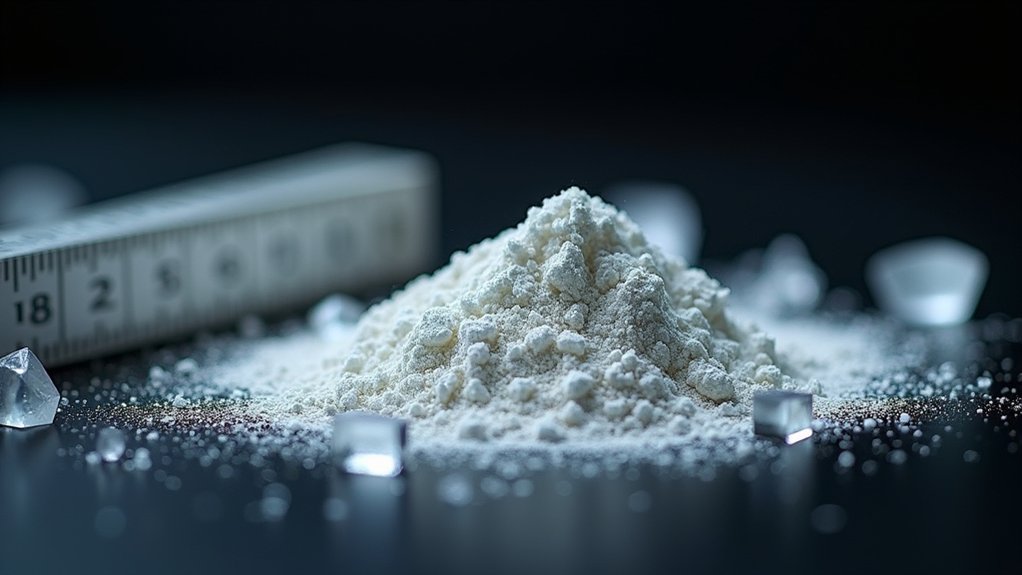
How much does an 8-ball of cocaine actually cost? In the United States, you’ll typically find 8-ball pricing ranges from $120 to $300, though costs can vary considerably based on several factors.
The per-gram cost within an 8-ball generally works out to $34, $86, offering a slight bulk discount compared to purchasing single grams at $60, $200 each. Regional variations play a substantial role in what you’d encounter. Major urban centers often see prices clustering around $120, $250, while rural or remote areas can reach $300 or more due to limited supply and higher distribution risks.
Purity levels, local supply and demand, law enforcement pressure, and trafficking routes all influence these fluctuations. Cocaine sourced from Colombia or Peru typically starts at lower wholesale prices before distribution costs are added. Cocaine with purity levels approaching 99-100% commands premium prices due to its elevated quality and potency. Street-level cocaine is rarely pure, with most product being 60, 80% pure after dealers cut it to maximize profits. Understanding these economic realities helps contextualize the financial burden of cocaine addiction.
Health Risks and Dangers of Using an 8-Ball
When you use an 8-ball of cocaine, you’re exposing your body to serious overdose risks, including heart attack, stroke, seizures, and sudden cardiac arrest, even if you’re young and healthy. The intense stimulant effects flood your brain with dopamine, creating powerful cravings that can quickly spiral into psychological dependence and impaired judgment. Over time, this pattern depletes your brain’s natural reward system, leading to mental health decline, cognitive deficits, and an inability to experience pleasure without the drug. Chronic cocaine use can also cause lasting damage to your cardiovascular system and nasal passages, along with liver and kidney failure. Seeking help through structured programs can significantly reduce the risks associated with cocaine use and lead to safer recovery. Engaging in a comprehensive detox process can provide numerous benefits cocaine detox treatment, including medical supervision to manage withdrawal symptoms and psychological support to address underlying issues.
Overdose and Cardiac Events
The cardiovascular system bears the most immediate and severe consequences of cocaine use, particularly at 8-ball quantities. You’ll experience increased heart rate and increased blood pressure almost instantly, placing dangerous strain on your heart and blood vessels. These effects accelerate cardiovascular aging and heighten your risk of heart attacks, strokes, and arrhythmias.
| Warning Sign | Cardiac Symptom | Overdose Indicator |
|---|---|---|
| Chest tightness | Rapid heartbeat | Seizures |
| Difficulty breathing | Heart rhythm changes | Bluish skin |
| Extreme anxiety | High blood pressure | Loss of consciousness |
Cocaine overdose requires immediate emergency response. If you notice someone experiencing these symptoms, call 911 immediately. Move them to a quiet, cool location and keep them calm while awaiting medical help. Your quick action can prevent fatal outcomes.
Addiction and Mental Decline
Cocaine’s assault on your brain extends far beyond the immediate high, progressively dismantling the neural architecture that governs who you are. The dangers of cocaine include devastating long-term effects on cognitive function, with chronic users experiencing grey matter loss that mirrors elderly brain deterioration.
The psychiatric symptoms and psychosis associated with repeated use are alarming:
- Paranoia affects 68% to 84% of cocaine users, often triggering violent behavior
- Auditory hallucinations and delusions emerge during prolonged use or binges
- Severe depression develops as your brain’s dopamine regulation becomes fundamentally altered
- Prolonged anhedonia leaves you unable to experience pleasure naturally
Your memory, judgment, and emotional stability erode progressively. These aren’t temporary setbacks, they’re structural changes that persist long after you’ve stopped using.
Addiction Potential and Legal Consequences of Cocaine Possession
Cocaine ranks among the most addictive substances, with approximately 5-6% of users developing dependence within 24 months, and you’re at higher risk if you’re female, as women are 3-4 times more likely to become dependent than men. Beyond addiction, you face serious legal consequences since cocaine remains a Schedule II controlled substance, meaning possession is a federal felony that carries mandatory minimum sentences, potential imprisonment, and lasting collateral damage to your employment and housing opportunities. Long-term use also causes cumulative health damage that compounds the immediate dangers you’ve already learned about, making early intervention critical for your wellbeing.
Cocaine’s Addictive Nature
How quickly can cocaine use transform into dependency? Research shows approximately 5-6% of users develop dependence within 24 months of first use, with 7.1% developing dependency within the first year alone.
Your risk factors significantly impact addiction potential:
- Gender disparities: Female users are 3-4 times more likely to become dependent within 24 months than males
- Method of use: Crack-smoking users show markedly higher excess risk of developing cocaine dependence
- Timeline vulnerability: The first 1-2 years following initial use present the highest dependency risk
- Progression rates: About 10% of experimenters eventually shift into heavy substance abuse
If you’re struggling, a recovery facility offering evidence-based addiction treatment can help. Approximately 1.5 million Americans currently meet criteria for cocaine use disorder, you’re not alone.
Legal Penalties Overview
Beyond the health risks and addiction potential, possession of this controlled substance carries severe legal consequences that compound the challenges facing those struggling with substance use disorder.
Under federal law, simple possession of cocaine is a misdemeanor for first-time offenders, carrying up to one year in prison and a $1,000 fine. However, penalties escalate rapidly with subsequent offenses. A second felony drug conviction triggers a mandatory minimum of 15 days imprisonment, while third offenses require 90 days to three years.
State penalties vary considerably. In Florida, possessing less than 28 grams constitutes a third-degree felony with up to five years imprisonment. If you’re caught with 28 grams or more, you’ll face trafficking charges with mandatory minimum sentences starting at three years. These legal realities create additional barriers to recovery and rehabilitation.
Long-Term Health Consequences
The physical toll of chronic use extends far beyond immediate effects, causing lasting damage to nearly every major organ system. Chronic cocaine use substantially impacts your cardiovascular health, brain function, and overall mortality and life expectancy.
Long-term effects include:
- Cardiovascular damage, permanently heightened blood pressure, heart attacks, arrhythmias, and blood clots leading to stroke
- Kidney and liver injury, from chronic hypertension and rhabdomyolysis, potentially causing organ failure
- Brain deterioration, cerebral atrophy, cognitive deficits in memory and decision-making, and accelerated brain aging
- Reduced life expectancy, regular users face nearly double the mortality risk, with an estimated 10.3 years of life lost
Research shows 1.8% of deaths among adults aged 18, 45 are attributable to cocaine use, underscoring its devastating long-term consequences.
Frequently Asked Questions
How Long Does a Cocaine High From an 8-Ball Typically Last?
Each dose gives you a high lasting roughly 15, 30 minutes when snorted, or just 5, 15 minutes if smoked or injected. Because an 8-ball contains about 3.5 grams, you’re likely redosing repeatedly, creating what feels like a continuous high over several hours. However, you’re not extending one high, you’re chasing short peaks. The comedown that follows can leave you exhausted, anxious, and craving more for hours or even days afterward.
What Substances Are Commonly Used to Cut an 8-Ball of Cocaine?
You’ll commonly find cocaine cut with inert fillers like powdered sugars, cornstarch, and talcum powder to increase volume. Dealers also add local anesthetics such as lidocaine and benzocaine, which mimic cocaine’s numbing effect. More dangerously, levamisole (a veterinary dewormer) appears in 69, 80% of seized cocaine. Fentanyl contamination has risen dramatically, creating life-threatening overdose risks. These adulterants cause serious health complications, including cardiac toxicity, skin necrosis, and respiratory damage.
How Many Individual Doses Can Be Obtained From One 8-Ball?
You can expect roughly 35 doses from a standard 8-ball (3.5 grams) when using typical 100 mg bumps. However, this number varies dramatically, smaller 50 mg bumps yield up to 70 doses, while larger 150, 200 mg lines produce only 17, 23. Your tolerance, consumption patterns, and the product’s purity all affect actual dose counts. Remember, street cocaine’s inconsistent cutting makes weight-based calculations unreliable and increases your overdose risk substantially.
What Are the Signs Someone Is Using Cocaine Regularly?
You’ll notice several key signs if someone’s using cocaine regularly. Watch for dilated pupils, frequent nosebleeds, unexplained weight loss, and white powder residue around their nose. Behaviorally, they’ll display restlessness, rapid speech, secretive actions, and neglected responsibilities. Emotionally, expect intense mood swings, paranoia, and anxiety followed by depressive crashes. Financial problems, social withdrawal, and declining work performance often accompany regular use. If you’re recognizing these patterns, compassionate intervention can help.
Where Can I Find Help for Cocaine Addiction in My Area?
You can start by calling SAMHSA’s National Helpline at 1-800-662-HELP, it’s free, confidential, and available 24/7. You can also visit FindTreatment.gov to search for licensed treatment facilities near you by ZIP code. Local options may include inpatient rehab, outpatient programs, or detox services. If you’re dealing with co-occurring mental health conditions, look for dual diagnosis programs. Taking this step shows real strength, help is available.