When you consume THC edibles and gummies, your liver converts the compound into 11-hydroxy-THC, a metabolite that’s 2-3 times more abundant than what smoking produces. This potent metabolite binds efficiently to fat cells and releases slowly over days or weeks. A single 10mg gummy typically clears your system within 3-7 days for occasional users, while regular consumers may test positive for 30+ days. Your specific detection window depends on several factors we’ll break down below.
How Long Do Edibles Stay Detectable in Your System?

Five key variables determine how long THC from edibles remains detectable in your body: metabolism rate, body fat percentage, hydration levels, consumption frequency, and dosage amount. Fat-soluble THC accumulates in adipose tissue, extending the edible thc elimination rate compared to inhalation methods.
Your liver converts THC to 11-hydroxy-THC, a more potent metabolite that circulates longer. According to any thc edible duration chart, single use clears within 3-7 days, while daily consumption extends detection to 30+ days. The type of edible consumed, whether gummies, brownies, or other forms, can also influence how quickly your body processes and eliminates THC.
THC edibles in bloodstream typically remain detectable for 1-2 days, though heavy users may test positive up to 30 days. Higher doses like 20mg metabolize slower than 10mg, directly impacting your detection window. Hair follicle tests capture exposure for 90+ days. Saliva tests offer a shorter detection window, typically identifying THC for a few hours to 48 hours after consumption.
Edible Detection Times for Each Drug Test Type
Understanding your personal detection timeline matters little without knowing which test you’ll face.
Saliva tests detect THC for 1-3 days, though edible weed detection time proves less reliable since THC enters your bloodstream slower through digestion. Saliva tests detect THC for 1, 3 days, though edible weed detection time proves less reliable since THC enters your bloodstream more slowly through digestion, which also affects the detection in blood compared with inhalation-based use.
Blood tests show positive results for 1-4 days post-consumption. The thc edible half-life extends detection because metabolites clear gradually from your system.
Urine tests, the most common screening method, detect THC metabolites for 3-7 days in occasional users and up to 30+ days in regular consumers. Higher doses prolong this window considerably. Urine tests, the most common screening method, detect THC metabolites for 3, 7 days in occasional users and up to 30+ days in regular consumers, illustrating typical THC detection times in urine tests. Higher doses and more frequent use can prolong this detection window considerably.
Hair tests capture THC traces for up to 90 days, regardless of consumption frequency. These intensive screenings detect metabolites deposited in hair follicles during growth cycles.
Your metabolism, body fat percentage, and dosage directly influence where you’ll fall within each range. Since THC is stored in fat cells, individuals with higher body fat percentages typically experience longer detection windows across all test types. It’s worth noting that almost any recreational amount of THC can trigger a positive result, making even occasional use detectable on these screenings.
Why Edibles Take Longer to Clear Than Other Methods
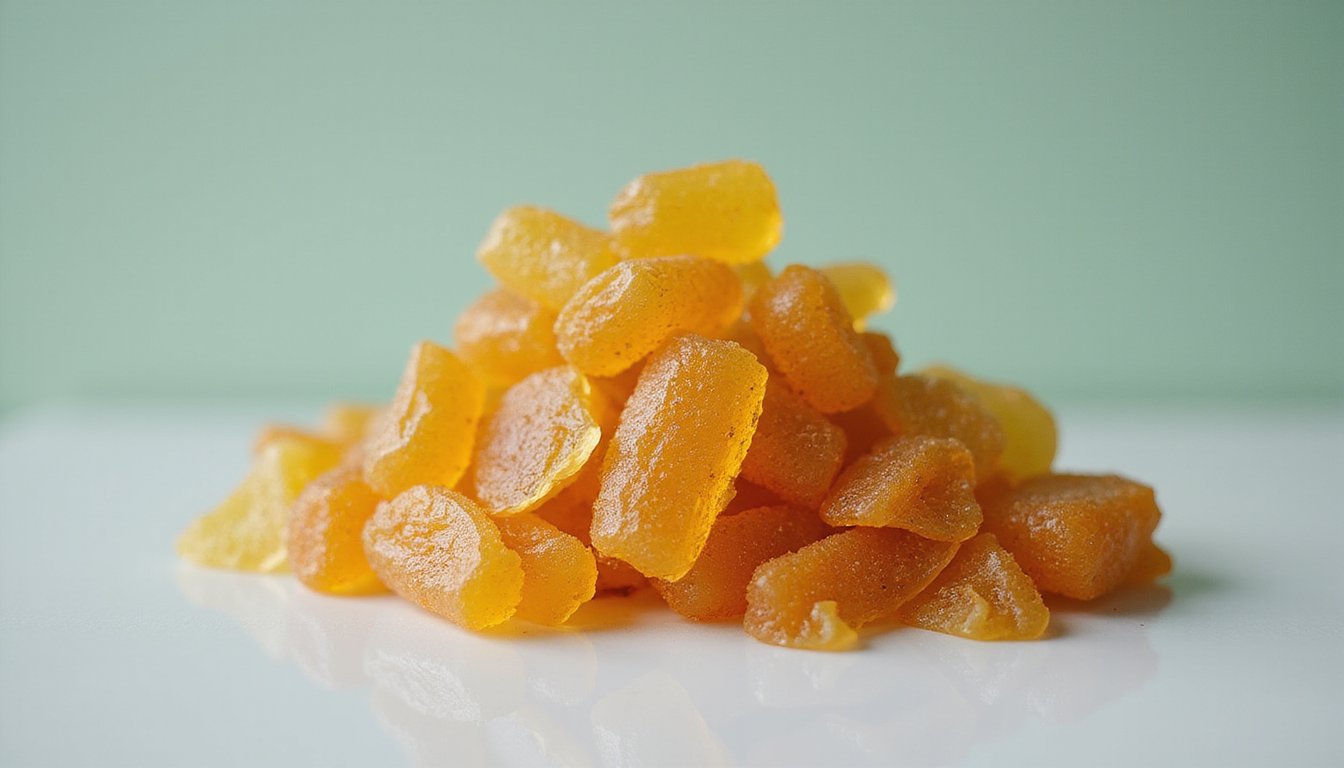
When you consume THC through edibles, your body processes it through a fundamentally different metabolic pathway than smoking, and this distinction directly impacts how long cannabinoids remain detectable. During cannabis digestion and absorption, THC undergoes first-pass liver metabolism, converting to 11-hydroxy-THC, a more potent metabolite with an extended half-life.
THC from edibles metabolism produces 2-3 times more 11-hydroxy-THC than smoking equivalent doses. This metabolite binds efficiently to fat cells, releasing slowly over days or weeks. Your liver’s complete conversion maximizes metabolite production despite edibles’ lower 4-12% bioavailability. Research shows that eating cannabis can show up to 72 hours in people who use often. Individuals with higher body fat percentages may retain THC metabolites even longer due to increased lipid storage capacity.
Smoking bypasses initial liver processing, delivering THC directly through lung absorption. This creates rapid peak concentrations followed by quicker decline, resulting in shorter detection windows compared to edibles’ sustained metabolite accumulation.
What Makes THC From Edibles Clear Faster or Slower?
Several interconnected factors determine how quickly your body eliminates THC from edibles, ranging from the product’s formulation to your individual biology.
Your liver’s cytochrome P450 enzymes, specifically CYP2C9 and CYP3A4, break down THC into 11-OH-THC. Genetic variations in these enzymes directly affect your marijuana edible detection window. Faster metabolizers process THC quickly, while slower metabolizers experience prolonged clearance times.
- Product composition: Water-soluble THC formulations with MCTs show different plasma concentration ratios than fat-based brownies
- Body fat percentage: THC’s lipophilic nature means higher adipose tissue extends retention
- Stomach conditions: High-fat meals delay peak concentrations but increase overall blood levels
Research shows that metabolite to parent ratios varied between different edible products and changed over time, demonstrating how product formulation affects THC processing. Your individual enzyme efficiency, body composition, and what you’ve eaten combine to create your unique THC elimination timeline. The elimination half-life of THC ranges from 20 hours to several days, which explains why chronic users may test positive for weeks or even months after their last dose.
Do Detox Drinks Actually Help Clear Edibles Faster?

If you’re hoping a detox drink will speed up THC elimination from edibles, you’ll want to understand what these products actually do versus what they claim. Detox drinks typically contain diuretics like dandelion root and metabolism boosters like caffeine that temporarily dilute your urine rather than remove THC stored in fat cells. The scientific evidence supporting their effectiveness remains limited, and modern lab tests can often detect dilution attempts, making these products unreliable, especially if you’re a heavy user or recently consumed high-dose edibles. Commercial labs specifically check for markers like creatinine and specific gravity to identify samples that have been tampered with or artificially diluted. Since THC dissolves in fat and accumulates in fat cells, simply increasing urine output does nothing to address the stored cannabinoids that continue releasing into your bloodstream over time.
How Detox Drinks Work
Detox drinks claim to accelerate THC clearance through four primary mechanisms: diuresis, dilution, metabolic enhancement, and liver support. When you consume THC chocolates and gummies, metabolites accumulate in fat cells, and these drinks attempt to mask their presence rather than eliminate them.
- Diuretics like dandelion root increase urination frequency, temporarily flushing metabolites from your bladder
- Metabolism boosters including caffeine and green tea aim to speed THC breakdown rates
- Liver support compounds such as milk thistle target the organ processing THC from weed gummies detection time windows
For weed brownies detection time concerns, these drinks work by diluting urine concentration while vitamins maintain natural appearance. Common detox drink formulas typically contain vitamin B and creatine to help restore urine’s natural color and chemical markers after dilution. However, with THC drinks and infused beverages, the effect remains temporary, lasting only hours. Modern lab tests increasingly detect dilution patterns, reducing reliability for heavy users. Relying on the body’s natural detoxification mechanisms through hydration, healthy diet, and exercise remains the safest and most effective approach to eliminating THC metabolites.
Scientific Evidence Review
While these mechanisms sound promising in theory, published research tells a different story about detox drinks and THC clearance from edibles. Studies confirm these products don’t permanently remove THC metabolites, they primarily dilute urine or temporarily mask detectable compounds.
When you’re wondering how long do weed gummies last in your system, understand that THC stored in fat cells remains regardless of detox drink consumption. No published research verifies that commercial detox kits accelerate elimination of 11-OH-THC, the potent metabolite produced when you consume edibles. This metabolite appears in blood in higher quantities when THC is ingested orally compared to when it is inhaled, contributing to the longer-lasting effects of edibles.
The evidence shows hydration and abstinence lower detectable THC levels more reliably than any commercial product. Your body requires time for natural metabolic processes to clear stored cannabinoids, detox drinks can’t override this biological reality, especially given edibles’ extended pharmacokinetic profile. Adding to the challenge, research reveals that only 13.8% of consumers could accurately estimate the THC content in their products, making it difficult to predict clearance timelines.
Risks and Limitations
Despite marketing claims suggesting rapid THC elimination, detox drinks primarily work through urinary dilution rather than accelerating your body’s metabolic clearance of cannabinoids from edibles. These products contain diuretics that temporarily reduce THC concentration in urine samples, but they don’t remove stored metabolites from fat cells where edible-derived THC accumulates.
Modern drug tests detect dilution markers, rendering many detox drinks ineffective. Your results depend heavily on metabolism, body fat percentage, usage frequency, and total THC consumed. Additionally, some herbal cleanses contain strong laxatives that can cause dangerous electrolyte imbalances and dehydration.
Key limitations you should understand:
- Masking effects last only hours, not days, timing miscalculations mean test failure
- Heavy edible users face detection windows up to 30 days regardless of detox product use
- Excessive water consumption from these protocols risks water intoxication, a potentially fatal condition
No commercial product guarantees negative results for chronic consumers.
How to Estimate Your Edible Detection Window
Several physiological and behavioral factors determine how long THC from edibles remains detectable in your system. Your metabolism rate directly influences clearance speed, faster metabolisms process THC more quickly. Body fat percentage matters because THC is fat-soluble and accumulates in adipose tissue, extending detection windows in individuals with higher body fat.
Dosage plays a critical role. A single 10mg gummy produces shorter detection than 20mg or higher doses, which increase metabolite buildup. Your usage frequency drastically affects results: occasional users typically clear THC within 3-7 days via urine, while chronic users may test positive for 30+ days.
To estimate your window, consider the test type. Urine detects metabolites 3-30 days post-ingestion, saliva 1-3 days, blood 6-48 hours, and hair up to 90 days.
When Is It Safe to Take a Drug Test After Edibles?
If you’re facing an upcoming drug test, understanding detection windows for each test type helps you assess your risk accurately. Your usage frequency, whether occasional, regular, or heavy, directly determines how long THC metabolites remain traceable in urine, blood, saliva, or hair samples. By combining your consumption pattern with the specific test you’ll encounter, you can plan a realistic timeline for when you’re most likely to pass.
Test Type Detection Windows
Four primary drug testing methods exist for detecting THC metabolites from edibles, each with distinct detection windows based on biological mechanisms.
- Urine testing detects THC-COOH metabolites for 3-30 days, with occasional users clearing within 3-4 days while chronic consumers face extended 30+ day windows
- Blood testing identifies active THC for 24 hours post-consumption, though heavy use extends detection to 3-4 days
- Hair follicle analysis captures metabolites deposited in the hair shaft for up to 90 days, making it the longest detection method
Saliva tests detect THC within 24-72 hours, primarily targeting recent consumption. Your detection timeline depends on consumption frequency, edible potency, and individual metabolism. You’ll want to factor in body fat percentage, as THC accumulates in adipose tissue. Saliva tests detect THC within 24, 72 hours, primarily targeting recent consumption, which defines the detection in saliva test as a short-term indicator rather than a measure of long-term use. Your detection timeline still depends on consumption frequency, edible potency, and individual metabolism, and you’ll also want to factor in body fat percentage since THC accumulates in adipose tissue.
Usage Frequency Matters
How frequently you consume THC edibles directly determines your detection window and when you’ll test clean. THC’s fat-soluble properties cause metabolites to accumulate with repeated dosing, extending clearance times considerably.
| Usage Pattern | Urine Detection | Safe Testing Window |
|---|---|---|
| One-time use | 3-7 days | 7+ days |
| Few times weekly | 1-2 weeks | 14+ days |
| Daily consumption | 30+ days | 45+ days |
| Heavy/chronic use | 30-90 days | 90+ days |
Your body stores THC in fat cells, releasing metabolites gradually during metabolism. Regular consumers build metabolite reserves that persist weeks after cessation. Higher body fat percentages prolong detection further, as stored THC releases slowly into your bloodstream. Hair follicle tests detect use for 90 days regardless of frequency.
Planning Your Timeline
Understanding your usage frequency establishes the foundation, now you need specific timelines to plan around upcoming tests. Your clearance window depends directly on the test type you’ll face.
For urine screenings, occasional users should allow 3-7 days minimum, while regular consumers need 30+ days for reliable clearance. Blood tests offer shorter detection periods, typically 1-4 days post-ingestion. Saliva tests require 1-3 days of abstinence.
- Urine test: Wait 7-30 days based on your consumption pattern and test sensitivity
- Saliva test: Allow 1-3 days for THC metabolite clearance
- Hair follicle test: Requires 90+ days minimum, the longest detection window
Hydration and physical activity support metabolic processing, but time remains your primary variable for achieving negative results.
Frequently Asked Questions
Can Secondhand Cannabis Smoke Cause a Positive Drug Test for Edibles?
No, secondhand cannabis smoke can’t cause a positive drug test *for edibles* because edibles don’t produce smoke, you ingest them directly. However, secondhand smoke exposure can potentially trigger a positive test through inhalation. At standard 50 ng/mL cutoffs, you’re unlikely to test positive unless you’re in unventilated spaces with heavy smoke. Lower thresholds (15-20 ng/mL) increase detection risk, with positive results possible 2-22 hours post-exposure.
Do THC Edibles Show Differently Than Smoked Cannabis on Drug Tests?
No, standard drug tests can’t distinguish between THC from edibles versus smoked cannabis. Both methods produce the same metabolites, THC-COOH in urine and 11-hydroxy-THC in blood, that tests detect. However, you’ll show positive longer with edibles because your liver’s first-pass metabolism creates more persistent metabolites. Edibles at 10-50mg doses can remain detectable in urine up to 30 days for chronic users, compared to shorter windows with smoking.
Can Drinking Water Help Flush THC From Edibles Out Faster?
No, drinking water won’t flush THC from edibles out faster. THC is fat-soluble, meaning it’s stored in your fat cells rather than dissolving in water. While staying hydrated supports your kidneys’ metabolic processes, it doesn’t accelerate THC elimination from adipose tissue. Excessive water intake only dilutes your urine temporarily and may trigger test invalidation through creatinine checks. Your body clears THC metabolites primarily through time and fat metabolism, not fluid intake.
Will CBD Gummies Cause a Positive THC Drug Test Result?
CBD gummies can trigger a positive THC drug test if they contain trace THC. Full-spectrum products legally hold up to 0.3% THC, which accumulates with frequent or high-dose use. Drug tests detect THC metabolites, not CBD itself. You’ll minimize risk by choosing CBD isolates or broad-spectrum products labeled “THC-free” and verified through third-party COAs. If you’re facing testing, avoid full-spectrum CBD entirely to prevent unexpected positives.
Does Exercising Before a Drug Test Increase THC Detection Levels?
Yes, exercising before a drug test can increase your THC detection levels. When you work out, you metabolize fat cells where THC accumulates, releasing stored THC into your bloodstream. Studies show moderate 35-minute cycling elevates blood THC by 15% in regular users. If you’ve got a higher BMI, you’ll experience greater THC release. However, exercise doesn’t affect THC-COOH levels, so urine tests remain largely unaffected. Avoid exercising 24+ hours before blood tests.