Taking NyQuil when you’re not sick isn’t safe or necessary. You’re exposing yourself to acetaminophen, dextromethorphan, and doxylamine, ingredients designed to treat cold symptoms you don’t have. The doxylamine may help you feel drowsy, but it comes packaged with compounds that can stress your liver and cause next-day grogginess. Regular use also carries risks of psychological dependence. Understanding each ingredient’s effects will help you find safer alternatives for sleep.
Is It Safe to Take NyQuil When You’re Not Sick?
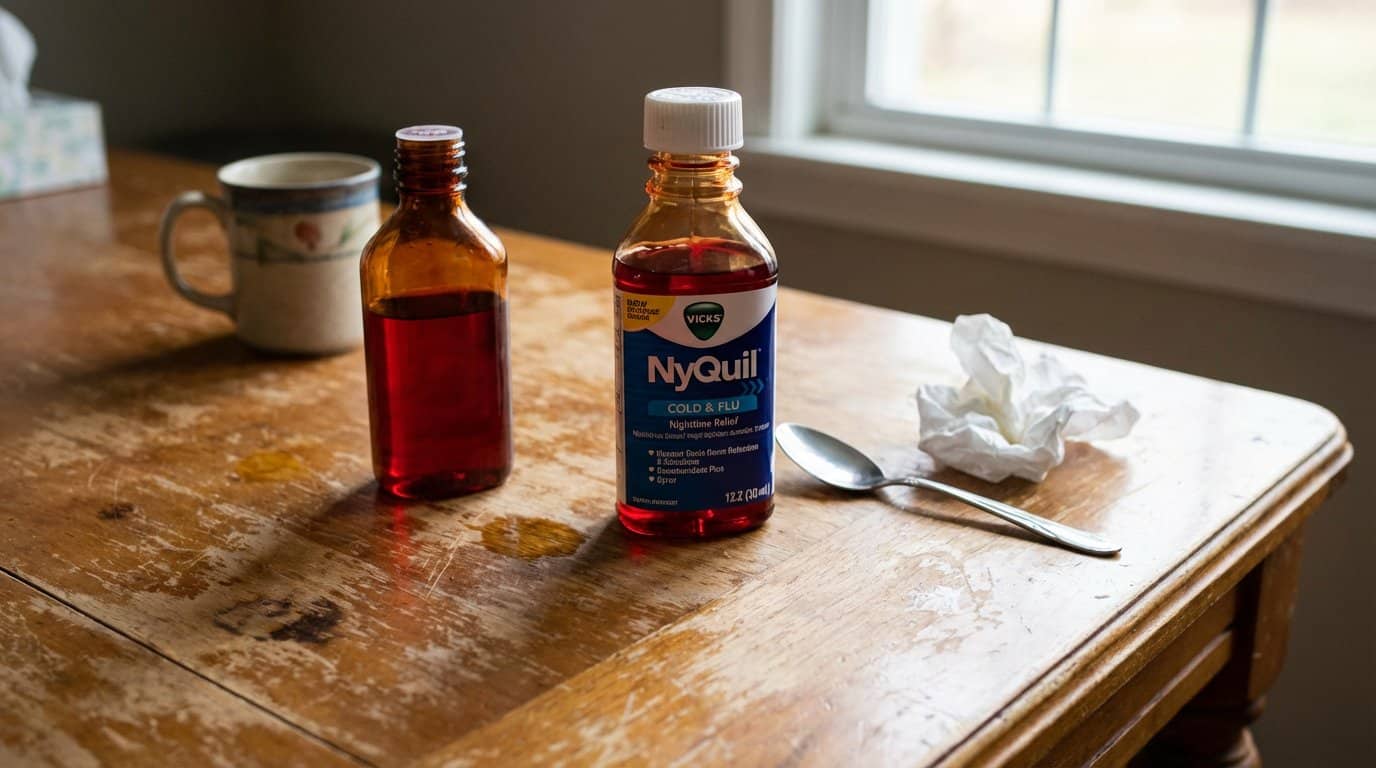
Taking NyQuil when you’re not sick isn’t a safe or sensible choice for sleep. This off-label use exposes you to acetaminophen, dextromethorphan, and alcohol, ingredients you don’t need when cold or flu symptoms aren’t present. A proper risk, benefit analysis shows the dangers outweigh any perceived sleep benefits.
You’re unnecessarily risking liver damage from acetaminophen and disrupted sleep cycles from alcohol content. The antihistamine doxylamine causes next-day grogginess that impairs driving and cognitive function. Additionally, NyQuil’s effects only last about six hours, meaning you may still wake during the night without achieving quality rest.
Good medication stewardship means using drugs only for their intended purposes. NyQuil targets nighttime cold and flu relief, not general insomnia. If you need sleep support, consult your doctor about appropriate options rather than reaching for a multi-symptom medication that introduces avoidable health risks. Relying on NyQuil regularly to fall asleep when you’re not ill can lead to psychological dependence, making it harder to sleep naturally without the medication. Good medication stewardship means using drugs only for their intended purposes. NyQuil is designed for nighttime cold and flu relief, not general insomnia, so asking does nyquil help you sleep better can be misleading when the sedation it causes isn’t truly restorative. If you need sleep support, it’s better to consult your doctor about appropriate options rather than relying on a multi-symptom medication that introduces avoidable health risks. Regularly using NyQuil to fall asleep when you’re not ill can also lead to psychological dependence, making it harder to sleep naturally without medication.
What’s in NyQuil (And Why Each Ingredient Matters)
Understanding why NyQuil poses unnecessary risks when you’re not sick requires examining what’s actually in the bottle.
Standard NyQuil Cold/Flu contains three active ingredients: 650 mg acetaminophen (pain reliever), 30 mg dextromethorphan (cough suppressant), and 12.5 mg doxylamine succinate (sedating antihistamine). When you consider nyquil without illness, you’re exposing yourself to medications targeting symptoms you don’t have.
The nyquil not sick safety concern centers on acetaminophen’s liver toxicity potential and dextromethorphan’s effects on your brain’s cough center, both unnecessary when you’re healthy. Doxylamine provides the drowsiness many seek, but it’s packaged with compounds your body doesn’t need. If you experience any unexpected or serious side effects from NyQuil use, all suspected side effects should be reported to help monitor product safety.
This nyquil unnecessary use pattern introduces avoidable risks. ZzzQuil offers diphenhydramine alone for sleep without cold remedies, representing a more targeted approach when sedation, not symptom relief, is your goal. ZzzQuil contains diphenhydramine 50mg as its active ingredient, making it a dedicated sleep aid without the additional cold and flu medications found in NyQuil.
Why So Many People Use NyQuil as a Sleep Aid
You might reach for NyQuil at bedtime because doxylamine, its antihistamine component, triggers drowsiness quickly and doesn’t require a prescription. This accessibility makes it an appealing shortcut when you’re struggling to fall asleep, especially since millions of Americans already rely on similar over-the-counter options nightly. However, you may not realize that dedicated sleep aids exist without the additional cold and flu ingredients you don’t need. The drowsy effects from doxylamine typically last 6-8 hours, which can seem ideal for a full night’s rest. Using NyQuil regularly for sleep also exposes you to acetaminophen, which can cause liver damage in high doses when taken repeatedly over time.
Doxylamine Induces Drowsiness
Doxylamine, the antihistamine in NyQuil, works as an H1-receptor inverse agonist that blocks histamine activity in your central nervous system. When you’re taking NyQuil when not sick, doxylamine crosses your blood-brain barrier and suppresses wakefulness-regulating neurons. This produces the drowsiness many people seek when using NyQuil just to sleep.
| Property | Doxylamine Effect | Clinical Impact |
|---|---|---|
| H1-Receptor Binding | Blocks histamine centrally | Induces sedation |
| Half-Life | 10-12 hours | Prolonged drowsiness |
| Anticholinergic Activity | Muscarinic receptor antagonism | Dry mouth, constipation |
Doxylamine’s 10-12 hour elimination half-life sustains sedation throughout the night but increases next-day grogginess. The drug also exhibits anticholinergic properties that contribute to its sedative effects while introducing additional side effects you wouldn’t experience with targeted sleep aids. These anticholinergic effects can cause urinary retention and blurred vision in addition to the more common dry mouth symptoms. As a first-generation antihistamine, doxylamine is primarily used as a sleep aid for occasional insomnia when taken in standalone formulations.
Accessible Over-the-Counter Option
The convenience factor drives widespread misuse:
- No consultation required means you bypass clinical oversight that might redirect you to single-ingredient alternatives
- Familiar branding creates false comfort, masking that you’re consuming a multi-drug formulation
- Low cost compared to prescription sleep aids makes repeated purchases easy
When asking is it bad to take NyQuil when not sick, consider that accessibility doesn’t equal appropriateness. You’re exposing yourself to acetaminophen and cough suppressants your body doesn’t need. Clinical guidance recommends matching medication to actual symptoms, not convenience. With 8.4% of adults taking sleep medication most days or every day, the demand for accessible sleep solutions is clear, but over-the-counter cold medications aren’t designed to fill this role safely. The sleep-inducing ingredient doxylamine should not be used for more than two weeks without medical supervision, yet easy access encourages prolonged use.
Misunderstanding Sleep Aid Alternatives
When chronic sleep disturbances affect one in five adults, it’s no surprise that over 3.1 million people aged 12 or older misused cough and cold medicines like NyQuil in the past year, many specifically for sedation. You might reach for NyQuil because it’s familiar and accessible, but you’re likely unaware of safer, single-ingredient alternatives designed specifically for sleep.
This misunderstanding creates unnecessary risk. When you use NyQuil for sleep, you’re exposing yourself to acetaminophen, dextromethorphan, and other active ingredients your body doesn’t need. Research shows 41% of diphenhydramine sleep aid users continued for a year or longer, suggesting many don’t recognize dedicated sleep aids exist. You can achieve sedation without the multi-symptom formulation, choosing purpose-built alternatives eliminates exposure to compounds that serve no therapeutic benefit for sleeplessness alone. The manufacturer designed NyQuil for temporary relief only, recommending use be limited to 7 days unless otherwise directed by a healthcare provider. Over time, regular misuse can lead to physical and psychological dependence due to NyQuil’s effects on the central nervous system.
Side Effects of Taking NyQuil Without a Cold
When you take NyQuil without cold symptoms, you’re exposing your liver to acetaminophen it doesn’t need to process, which creates unnecessary strain on this critical organ over time. The doxylamine that makes you drowsy also suppresses REM sleep, meaning the rest you get isn’t as restorative as natural sleep. These trade-offs make NyQuil a poor choice for sleep support when you’re otherwise healthy. Combining NyQuil with alcohol or sedatives can magnify these effects and lead to dangerous outcomes including impaired coordination and accidental injury. Adults 65 and older face an increased risk of falls from the doxylamine in NyQuil, which can result in broken bones, hospitalizations, and even death.
Unnecessary Liver Strain
NyQuil contains acetaminophen, a compound that can strain your liver even at therapeutic doses, and the risk escalates when you’re taking it without medical necessity. The FDA warns that exceeding 6 caplets in 24 hours risks severe liver damage, and many people unknowingly consume additional acetaminophen from other medications. The incidence of acetaminophen-associated hepatotoxicity has increased over the past decades, making awareness of these risks more critical than ever.
When you use NyQuil solely for sleep, you’re exposing your liver to avoidable stress. Consider these risk factors: Taking nyquil every night dangerous can lead to dependency on the medication and masking underlying health issues. Furthermore, continuous use may result in adverse effects such as daytime drowsiness or cognitive impairment. It’s essential to explore alternative sleep solutions that do not carry the same risks and promote overall well-being.
- Hidden acetaminophen in multiple products leads to unintentional excess intake
- Alcohol consumption of 3+ drinks daily substantially increases acute liver failure risk
- Preexisting liver conditions demand medical consultation before any acetaminophen use
If you don’t have cold symptoms, you’re accepting hepatotoxicity risk without therapeutic benefit. Your liver processes every dose, don’t burden it unnecessarily.
Disrupted Sleep Quality
The sedative effects of doxylamine succinate in NyQuil create a deceptive sleep experience, you’ll fall asleep faster, but sleep lab studies using brain wave analysis confirm the medication actively suppresses REM sleep stages throughout the night. Your memory consolidation becomes impaired when REM sleep is reduced, and deep sleep architecture suffers measurable damage despite the sedative effects.
You may sleep longer but wake feeling unrested. Your brain misses the restorative cycles needed for memory processing and physical recovery. The sedative effects can persist several hours into the next day, causing morning grogginess even after extended sleep duration.
A 2023 assessment found minimal impact on actual sleep quality for non-symptom-related insomnia. Extended sleep duration doesn’t translate to restorative benefit, there’s a significant gap between sedation and genuine sleep restoration.
Liver Damage, Dependence, and Other Long-Term Risks
Although NyQuil’s occasional use during illness poses minimal risk, taking it nightly without symptoms exposes your liver to unnecessary strain. Each dose delivers 650 mg of acetaminophen, which accumulates and causes hepatic stress over time. Combined with NyQuil’s 25% alcohol content, this creates conditions for hepatotoxicity, particularly if you consume alcohol regularly.
Beyond liver concerns, chronic use introduces additional risks:
- Tolerance development, Your body adapts to doxylamine’s sedative effects, requiring higher doses for the same result.
- Physical dependence, Regular reliance on sedative components makes discontinuation difficult.
- Cognitive impairment, Doxylamine’s anticholinergic properties contribute to memory problems and concentration difficulties with prolonged exposure.
These compounding effects demonstrate why using multi-symptom medications without corresponding symptoms introduces avoidable health consequences.
Who Should Never Use NyQuil for Sleep?
Beyond these general risks, certain populations face heightened dangers that make NyQuil inappropriate for sleep under any circumstances.
If you’re pregnant or nursing, you shouldn’t use NyQuil for sleep. Acetaminophen may harm fetal development, and doxylamine transfers through breast milk, potentially sedating your infant. Always consult your physician before exposure.
Children and adolescents face unique risks including excitability, confusion, and seizures. NyQuil’s formulation doesn’t account for developing metabolisms.
Older adults experience amplified side effects, confusion, coordination loss, and dangerous falls become significant concerns. Next-day impairment persists longer in this population.
If you have liver disease, avoid NyQuil entirely. Acetaminophen poses severe hepatotoxicity risks, especially when combined with alcohol.
Those taking MAOIs, blood pressure medications, or other acetaminophen-containing products must consult healthcare providers before use.
Better Sleep Aids When You’re Not Actually Sick
If you’re reaching for NyQuil purely to fall asleep, safer alternatives exist that don’t expose you to unnecessary medications.
Natural sleep aids offer targeted support without the risks of multi-symptom formulations. Consider these evidence-backed options:
- L-theanine (up to 200 mg daily) promotes relaxation with no confirmed direct side effects when taken alone
- Magnesium supports sleep quality and appears in formulations designed specifically for rest
- Glycine may improve sleep with only rare, mild gastrointestinal effects
These supplements carry fewer side effects than combination cold medicines. However, the FDA doesn’t regulate them like medications, so you should select products from reputable brands with third-party testing.
Natural sleep aids work best as short-term solutions. If you’re experiencing regular sleep troubles, consult a healthcare provider to identify underlying conditions.
What to Do If You’ve Been Relying on NyQuil
Regular NyQuil use without cold or flu symptoms can shift from habit to dependence faster than you’d expect. Psychological dependence develops in approximately 30% of regular users, particularly among those self-medicating for insomnia or anxiety.
| Warning Sign | Action Required |
|---|---|
| Stockpiling bottles or multi-store purchases | Seek professional evaluation |
| Secretive use patterns | Contact a healthcare provider |
| Compulsive use despite negative consequences | Consider medically supervised detox |
If you’ve used NyQuil beyond two to three weeks, you may experience withdrawal symptoms including nausea, tremors, and insomnia within hours of stopping. Don’t discontinue abruptly without medical guidance. Professional treatment addresses both physical withdrawal and underlying psychological factors driving misuse. Contact your healthcare provider to develop a safe tapering plan.
When It’s Time to See a Doctor About Sleep
Stopping NyQuil misuse addresses one problem, but underlying sleep difficulties often require their own intervention. You shouldn’t dismiss persistent sleep troubles as normal, they signal your body needs professional evaluation.
Persistent sleep troubles aren’t normal, they’re your body’s signal that professional evaluation is needed.
Seek medical attention if you experience:
- Sleep disturbances occurring three or more nights weekly for over three months
- Daytime impairment including fatigue, concentration problems, or involuntary dozing during activities like driving
- Nighttime symptoms such as snoring, gasping, breathing pauses, or taking longer than 30 minutes to fall asleep consistently
These patterns indicate potential sleep disorders affecting 50-70 million American adults, most remaining undiagnosed. Only 43% of primary care physicians routinely ask about sleep, so you must advocate for yourself. Untreated sleep disorders increase your risk for heart disease, diabetes, obesity, and cognitive decline.
Frequently Asked Questions
Can Nyquil Interact With My Birth Control or Blood Pressure Medication?
NyQuil’s components, doxylamine, dextromethorphan, and acetaminophen, don’t have confirmed interactions with hormonal birth control or common blood pressure medications like ACE inhibitors or beta-blockers. You won’t need backup contraception due to NyQuil alone. However, the alcohol in liquid formulations can amplify drowsiness if you’re taking certain blood pressure meds. You should still consult your provider before combining any medications, especially for ongoing use.
How Long Does Nyquil Stay Detectable in a Drug Screening Test?
NyQuil’s detection window varies by test type. You’ll test positive in urine for 1-3 days, though heavy use extends this to 7 days. Blood tests detect it for up to 24 hours, while saliva captures it for 1-2 days. Hair follicle tests can reveal use up to 90 days later. Be aware that dextromethorphan may trigger false positives for PCP or opiates on standard screenings.
Is It Safe to Drive the Morning After Taking Nyquil?
No, driving the morning after taking NyQuil isn’t necessarily safe. The sedating antihistamines and alcohol in NyQuil can impair you well into the next day. You may experience drowsiness, blurred vision, slowed reaction times, and reduced focus, effects that compromise your ability to respond to road hazards. The FDA warns that some OTC cold remedies impair driving for several hours or even the next day. You could face DUI charges if impaired.
Can I Take Nyquil if I Drank Coffee or Energy Drinks Earlier?
You can take NyQuil after consuming caffeine, but it’s not ideal. Caffeine and NyQuil’s ingredients can interact pharmacodynamically, potentially causing restlessness, increased heart rate, or elevated blood pressure. Energy drinks pose greater risks due to their higher caffeine content. If you’ve consumed caffeine recently, wait several hours before taking NyQuil to reduce interaction potential. For safer sleep support, consider whether you actually need a multi-symptom medication when you’re not experiencing cold symptoms.
Will Nyquil Affect My Workout Performance or Muscle Recovery the Next Day?
Yes, NyQuil will likely impair your workout performance and may compromise muscle recovery. The antihistamine’s 10-hour half-life means sedative effects persist well into the next day, that’s why labels warn against operating heavy machinery. You’ll experience reduced cognitive sharpness and motor function during training. Additionally, the sedation can disrupt restorative sleep phases critical for muscle repair. If you’re not actually sick, you’re accepting these performance costs without medical benefit.