Why NyQuil Makes You So Drowsy
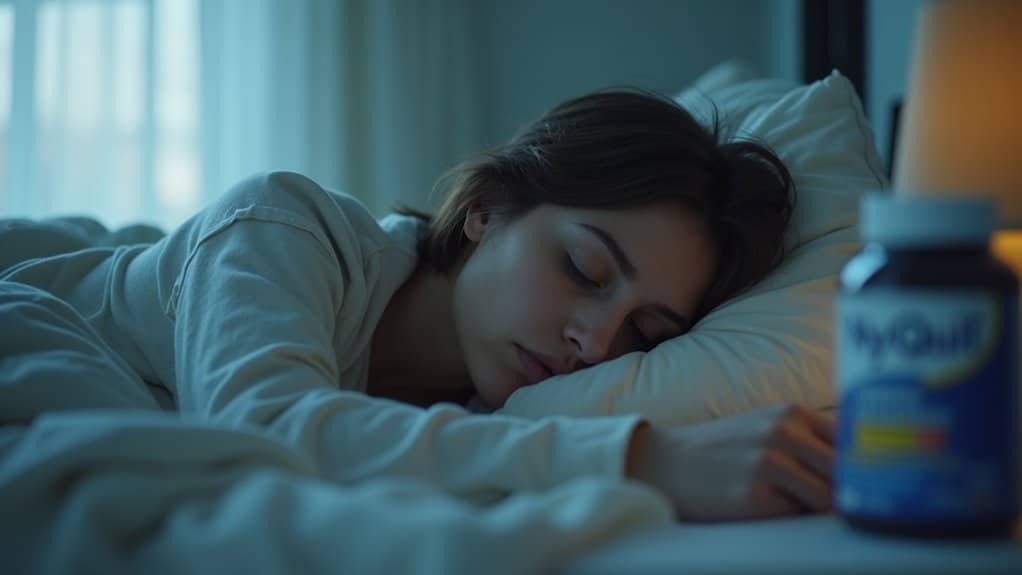
When you take NyQuil before bed, the drowsiness you feel isn’t accidental, it’s the result of multiple active ingredients working together to suppress your brain’s wakefulness signals.
Doxylamine succinate, a first-generation antihistamine, crosses your blood-brain barrier and blocks histamine receptors that normally keep you alert. Peak sedation hits within 30 to 60 minutes. Meanwhile, dextromethorphan blocks NMDA receptors, reducing excitatory neural signaling and adding to the sedative effect.
These ingredients don’t just work independently, they create synergistic sedation by targeting multiple receptor systems simultaneously. This explains why NyQuil makes you drowsy more intensely than single-ingredient sleep aids. Approximately 15-20% of users report feeling dizzy or “drunk” from this combination, highlighting how powerfully these compounds affect your central nervous system. NyQuil also contains 10% alcohol content, which further enhances the sedative effect. The drowsiness typically lasts six to eight hours, which is why NyQuil should only be taken when you can dedicate a full night to sleep.
How Long NyQuil Drowsiness Lasts
NyQuil’s drowsiness typically peaks within one to two hours after you take it and can persist for six to eight hours due to doxylamine succinate’s extended half-life of approximately 10 hours. You may experience next-day grogginess, often called a “NyQuil hangover”, that lingers for up to 12 hours in some cases, making it difficult to wake up feeling alert. Your individual metabolism, age, body weight, and liver function all influence how long these sedative effects last. Most people begin to feel sleepy within approximately half an hour of taking NyQuil before the effects reach their full intensity. While drowsiness is the most common side effect, you may also experience dizziness, dry mouth, or upset stomach as the medication works through your system.
Peak Effects Timeline
Because NyQuil contains doxylamine succinate as its primary sedating ingredient, you’ll typically notice drowsiness beginning within 15 to 30 minutes after taking a dose. If you take NyQuil on an empty stomach, onset may occur closer to the 15-minute mark.
Peak effects generally arrive within one to two hours after ingestion. During this window, you’ll experience maximum sedation as the doxylamine succinate reaches its highest concentration in your bloodstream. Your medication sensitivity plays a significant role in how intensely you feel these effects. While symptom relief typically lasts up to 6 hours, the sedative effects often extend well beyond this window, lasting up to 8 hours.
Several factors influence your personal peak effects timeline, including your metabolism rate, body weight, and hydration status. Older adults often experience prolonged peak sedation due to slower drug processing. Understanding your individual response helps you time doses appropriately for ideal rest. Taking NyQuil late at night or at higher doses can lead to next-day grogginess, often referred to as a hangover effect.
Next-Day Grogginess Duration
The sedative effects of doxylamine succinate in NyQuil don’t simply disappear after a night’s rest. With a half-life reaching up to 10 hours, this antihistamine can leave you feeling nyquil groggy in morning hours well beyond the typical 6 to 8 hour drowsiness window.
What many describe as a nyquil hangover stems from late-night dosing combined with insufficient sleep time. If you take NyQuil close to morning or sleep fewer than 8 hours, residual sedation compounds considerably.
Your metabolism, age, and body weight directly influence how quickly you process doxylamine. Older adults and individuals with slower metabolic rates often experience prolonged grogginess extending into the following day. Full elimination from your system can take up to 2 days. The dextromethorphan in NyQuil can also contribute to these sedative effects, compounding the drowsiness you experience. If drowsiness persists beyond the expected timeframe, consulting a healthcare professional may be necessary to rule out other factors affecting your recovery.
The NyQuil Hangover: Next-Day Grogginess Explained

If you’ve ever woken up feeling foggy and sluggish after taking NyQuil, you’re experiencing what’s commonly called a “NyQuil hangover.” This next-day grogginess occurs because doxylamine succinate, NyQuil’s antihistamine component, has an extended half-life that keeps it active in your system for up to 8 hours. Understanding why this happens and how your body metabolizes the medication can help you take steps to minimize these lingering effects. Individuals with slower metabolisms may find that the drug takes longer than the typical 6 hours to be fully eliminated from their system, potentially intensifying next-day grogginess. Cutting the recommended dosage in half to 15 ml can help reduce these effects and prevent a NyQuil hangover in the morning.
Why Grogginess Lingers
Many people don’t realize that NyQuil’s sedating effects can persist well into the next day, creating what’s commonly called a “NyQuil hangover.” This lingering grogginess occurs because doxylamine, the medication’s antihistamine component, disrupts your natural sleep cycles and prevents truly restorative rest. The antihistamine crosses the blood-brain barrier to block histamine receptors in the central nervous system, directly interfering with your brain’s alertness signals.
NyQuil side effects next day often stem from improper dosage timing. When you take NyQuil late at night, the sedating component lingers up to eight hours, meaning you wake feeling tired despite sleeping through the night. Taking the medication later in the evening can further prolong the sedative effects into your waking hours.
Your individual variability factors substantially influence how long grogginess persists. Metabolism, age, body weight, and liver health all affect how quickly your body clears the medication. If you’re fighting illness, expect extended drowsiness since your compromised state naturally amplifies sedating effects and contributes to disrupted sleep cycles.
Doxylamine’s Extended Half-Life
Doxylamine, NyQuil’s primary sedating ingredient, has a half-life of 10 to 12 hours in healthy adults, meaning half the drug remains in your system even after a full night’s sleep. This extended duration explains why NyQuil makes me feel weird is such a common complaint among users experiencing next-day symptoms.
The pharmacokinetics behind NyQuil side effects include:
- Brain penetration: Doxylamine crosses the blood-brain barrier and binds strongly to H1 receptors, causing prolonged sedation
- Age-related delays: Elderly men experience half-lives up to 15.5 hours, intensifying NyQuil adverse effects
- Accumulation risk: Repeated doses increase drug concentrations, compounding NyQuil reactions
- Metabolic processing: Liver clearance decreases with age, extending NyQuil dizziness into daytime hours
Understanding doxylamine’s extended presence helps you anticipate and manage these predictable effects. Research comparing young and elderly volunteers found that elderly women showed no significant differences in clearance or half-life compared to younger women, unlike the changes seen in elderly men. As a potent anticholinergic, doxylamine produces additional side effects like dry mouth that can persist alongside the drowsiness.
Minimizing Next-Day Effects
Because doxylamine lingers in your system for hours after waking, you’ll need strategic approaches to minimize that groggy, foggy feeling many people describe as a “NyQuil hangover.” The most effective method starts before you even take the medication: time your dose 7-8 hours before your alarm to align the drug’s peak sedative window with your sleep cycle.
Consider reducing your dose from 30 ml to 15 ml to decrease CNS depression intensity while maintaining symptom relief. Upon waking, hydrate immediately to flush remaining medication from your system and counter NyQuil’s drying effects. Staying well-hydrated also helps if you experience constipation from NyQuil, which occurs when doxylamine slows digestive tract movement. One to two cups of coffee can effectively counteract residual drowsiness. Eat a protein-rich meal to accelerate drug metabolism and stabilize your energy levels. These combined approaches help clear the medication faster and restore mental clarity.
NyQuil Side Effects Beyond Drowsiness

While drowsiness represents NyQuil’s most recognized effect, the medication can trigger a broader range of symptoms that affect multiple body systems. You may experience adverse drug effects that extend well beyond simple fatigue.
Common side effects you should monitor include:
- Gastrointestinal disturbances: nausea, diarrhea, stomach pain, and constipation from doxylamine
- Visual and sensory changes: blurry vision, dry eyes, dry mouth, and dry throat
- Cognitive impairment: confusion, memory difficulties, delayed reaction times, and mental fog
- Cardiovascular symptoms: lightheadedness, blood pressure fluctuations, and irregular heartbeats
Adults over 65 face heightened fall risk due to doxylamine’s effects on coordination and balance. If you notice jaundice, extreme fatigue, or abnormal bleeding, seek medical attention immediately, these signal potentially serious liver involvement requiring prompt evaluation.
How to Reduce NyQuil Side Effects Tonight
Understanding these potential side effects helps you take practical steps to minimize them when you use NyQuil tonight.
Time Your Dose Strategically
Take NyQuil at bedtime, allowing 6-8 hours for sleep. Doxylamine’s 10-hour half-life means late-night doses increase next-day grogginess. Effects begin within 30 minutes, so plan accordingly.
Time your NyQuil dose strategically, take it at bedtime with 6-8 hours to sleep, since effects kick in within 30 minutes.
Follow Dosage Guidelines
Stick to the recommended dose. Higher amounts intensify and prolong sedation effects, extending your recovery time the following morning.
Avoid Dangerous Combinations
Don’t combine NyQuil with alcohol, opioids, sleep aids, or other sedating medications. These interactions amplify drowsiness enormously. Don’t combine NyQuil with alcohol, opioids, sleep aids, or other sedating medications, as these interactions significantly intensify what causes drowsiness nyquil by compounding central nervous system depression and dramatically increasing sedation risk.
Prepare Your Environment
Ensure you can complete a full sleep cycle without interruption. Hydrate well to counter dry mouth and support metabolism. Avoid driving or operating machinery for at least 6 hours after your dose.
Who Should Skip NyQuil Entirely
Although NyQuil provides effective symptom relief for many people, certain groups face heightened risks that outweigh its benefits.
You should avoid NyQuil if you fall into these categories:
- Adults 65 and older, Doxylamine intensifies side effects and considerably raises fall risk, potentially causing broken bones or hospitalization
- Children under 4 years old, Risk of serious complications including fast heart rate and seizures
- Pregnant or breastfeeding individuals, Limited safety data exists for phenylephrine and doxylamine; consult your provider first
- Those with liver conditions or heavy alcohol use, Standard acetaminophen doses can trigger hepatic injury when your liver is already compromised
If you have uncontrolled hypertension or cardiovascular disease, phenylephrine can spike your blood pressure dangerously. Talk to your pharmacist about safer, condition-appropriate alternatives.
When NyQuil Makes You Wired Instead of Tired
Some people experience the exact opposite of what they expect from NyQuil, instead of drowsiness, they feel restless, nervous, and wide awake. This paradoxical excitation occurs because H1 blockers like doxylamine can stimulate your central nervous system rather than depress it. You may feel wired even at conventional doses.
Instead of making you drowsy, NyQuil can trigger paradoxical excitation, leaving you restless and wide awake.
Your genetics play a significant role. If you’re a CYP2D6 ultra-metabolizer, your body converts antihistamines into excitatory compounds more rapidly, triggering stimulation instead of sedation.
Pre-existing anxiety increases your risk of this reaction. NyQuil can heighten nervous symptoms and worsen restlessness when you’re already prone to anxiety-driven sleep issues. In light of these concerns, it’s important to consider alternatives like non habit forming nyquil that may help alleviate cold symptoms without exacerbating anxiety. Such options can provide relief while minimizing the risk of dependency, allowing for a more restful sleep. Always consult with a healthcare professional to find the best solution tailored to your needs.
The 25% alcohol content adds another layer, while it initially enhances sedation, it can cause a rebound effect that leaves you feeling wired as it wears off.
Frequently Asked Questions
Can Nyquil Affect My Memory or Cognitive Function the Next Morning?
Yes, NyQuil can affect your memory and cognitive function the next morning. Doxylamine, its antihistamine ingredient, has a half-life of about 10 hours, meaning it stays active in your system well into the following day. You may experience reduced alertness, slowed reaction times, and difficulty concentrating. The medication also suppresses REM sleep, which your brain needs for memory consolidation, leaving you feeling mentally foggy even after a full night’s rest.
Why Does Nyquil Make My Mouth so Dry Overnight?
NyQuil contains doxylamine, an antihistamine that blocks acetylcholine in your body. This action reduces secretions throughout your respiratory tract, including your saliva glands. While this helps dry up congestion, it also decreases saliva production overnight.
The effect typically persists through sleep because doxylamine has a prolonged duration of action. You can manage this by staying hydrated, using a humidifier, or chewing sugar-free gum. Symptoms usually resolve once the medication clears your system.
Does Nyquil Interact Differently With My Body When I’m Sleep-Deprived?
Yes, NyQuil affects you differently when you’re sleep-deprived. Your fatigued central nervous system allows doxylamine to cross the blood-brain barrier more effectively, intensifying sedation. Sleep deprivation also disrupts your histamine regulation, making the antihistamine’s blocking action more pronounced. You’ll likely experience compounded next-day grogginess, impaired reaction times, and fragmented sleep patterns. REM suppression becomes particularly problematic since your sleep cycles are already disrupted, reducing overall sleep quality despite feeling heavily sedated.
Can Nyquil Cause Vivid Dreams or Nightmares During Sleep?
Yes, NyQuil can cause vivid dreams or nightmares. Doxylamine, the antihistamine in NyQuil, disrupts your REM sleep cycle, the stage where most dreaming occurs. Your brain compensates for this suppression by producing more intense dreams later in the night. Dextromethorphan (DXM) adds dissociative effects that contribute to surreal dream content. The alcohol component further fragments your sleep, intensifying these experiences. You’re more susceptible if you have pre-existing anxiety or trauma history.
Why Do I Feel Nauseous After Taking Nyquil on an Empty Stomach?
You feel nauseous because NyQuil’s ingredients absorb faster without food, intensifying stomach irritation. Dextromethorphan is the most likely culprit, while doxylamine slows digestion and can cause bloating. Acetaminophen may also trigger nausea in sensitive individuals, and the alcohol in liquid formulations irritates your stomach lining. To reduce discomfort, take NyQuil with a light snack, switch to capsules or alcohol-free versions, and stay hydrated. Consult a healthcare provider if nausea persists.