Couples rehab works, and the research shows it consistently outperforms individual treatment. If you and your partner enter Behavioral Couples Therapy, you’re looking at lower substance use rates, stronger long-term sobriety, and measurably better relationship outcomes. Studies show 85, 95% of couples abstain from substances nine months after discharge. You’ll also find improvements in family functioning, parenting, and even domestic violence rates. The full picture of what drives these outcomes, and where the limits are, is worth understanding. Couples rehab works, and the research shows it consistently outperforms individual treatment. If you and your partner enter Behavioral Couples Therapy, you’re looking at lower substance use rates, stronger long-term sobriety, and measurably better relationship outcomes. Studies show 85, 95% of couples abstain from substances nine months after discharge. You’ll also find improvements in family functioning, parenting, and even domestic violence rates.For those exploring options like couples addiction treatment centers near me, these outcomes highlight why choosing a program designed for partners can significantly improve both recovery success and relationship stability. The full picture of what drives these outcomes, and where the limits are, is worth understanding.
What the Success Rates for Couples Rehab Actually Show

When couples enter rehab together, the data suggests they outperform individuals in solo treatment across several key measures. Behavioral Couples Therapy (BCT) produces markedly lower substance use rates than individual therapy alone, and joint treatment strengthens long-term sobriety through mutual accountability. can couples go to rehab together can also enhance communication skills that are essential for a healthy relationship. By navigating challenges in a supportive environment, partners often discover new ways to support each other in their recovery journeys. This shared experience not only fosters resilience but also deepens their emotional connection during a transformative time.
If you’re considering couples therapy for addiction recovery, these outcomes matter. Inpatient programs show completion rates between 42, 70%, while 40, 60% of participants maintain sobriety for at least one year post-treatment. Among completers, 85, 95% abstain from substances nine months after discharge.
Your success in a couples-based program depends on shared commitment, consistent therapy attendance, and open communication. When both partners engage fully, the recovery process benefits not just individual sobriety but also the stability and health of the relationship itself. Many programs also incorporate dual diagnosis treatment, addressing both addiction and underlying mental health issues simultaneously to improve overall outcomes.
What the Research Says About BCT Success Rates
Behavioral Couples Therapy has earned its place as one of the most rigorously studied approaches in addiction and relationship research. When you examine the data, behavioral couples therapy addiction outcomes consistently demonstrate measurable, sustained improvements across large study populations.
| Therapeutic Model | Success Rate | Follow-Up Duration |
|---|---|---|
| Behavioral Couples Therapy | ~70% improved satisfaction | 12+ months |
| Integrative BCT | ~65% meaningful change | Variable |
| Gottman Method | 70, 75% sustained gains | 18 months |
| Emotionally Focused Therapy | 70% full recovery | Long-term |
You’ll find that BCT participants consistently outperform untreated individuals, with the average person completing therapy better off than 70, 80% of those who received no help. Active session participation and between-session skill practice greatly strengthen these results. Research also highlights that maintenance or follow-up sessions scheduled every six to twelve months help couples preserve their therapeutic gains over the long term.
How Couples Rehab Rebuilds Relationships During Recovery

Strong success rates tell part of the story, but numbers alone don’t capture how couples rehab actually reshapes the relational foundation underneath recovery. Relationship therapy in substance abuse treatment works by addressing the emotional damage addiction leaves behind, eroded trust, broken communication, and unresolved conflict.
You and your partner engage in structured sessions that target boundary-setting, honest communication, and forgiveness practices. These aren’t surface-level exercises. They rebuild emotional safety and restore intimacy through consistent, guided work.
Integrated assessments align your individual needs with shared relational goals, ensuring both of you receive appropriate clinical support. Holistic techniques, mindfulness, role-playing, and trauma-informed care, develop practical coping skills that extend beyond treatment. Together, you’re building a dynamic that actively supports sustained sobriety and long-term relationship health.
Couples rehab also strengthens mutual accountability between partners, which research consistently links to higher abstinence rates and a measurably reduced risk of relapse.
How Couples Rehab Reduces Domestic Violence, Costs, and Parenting Problems
Addiction doesn’t just affect the person using substances, it ripples through the entire household, straining relationships, disrupting parenting, and generating substantial financial costs. Research on couples addiction treatment outcomes shows that Behavioral Couples Therapy (BCT) produces measurable improvements across multiple life domains:
- Domestic violence drops considerably after BCT, with violence rates falling to 12% among couples in remission at 12-month follow-up.
- Financial costs decrease as higher treatment completion rates and fewer relapses reduce long-term healthcare expenses.
- Parenting quality improves through better communication standards and reduced neglect linked to substance use.
- Family functioning strengthens, with BCT outperforming individual treatment on family-social addiction severity scores after one year.
You’re not just treating one person, you’re stabilizing an entire family system.
When Couples Rehab Is Less Likely to Succeed
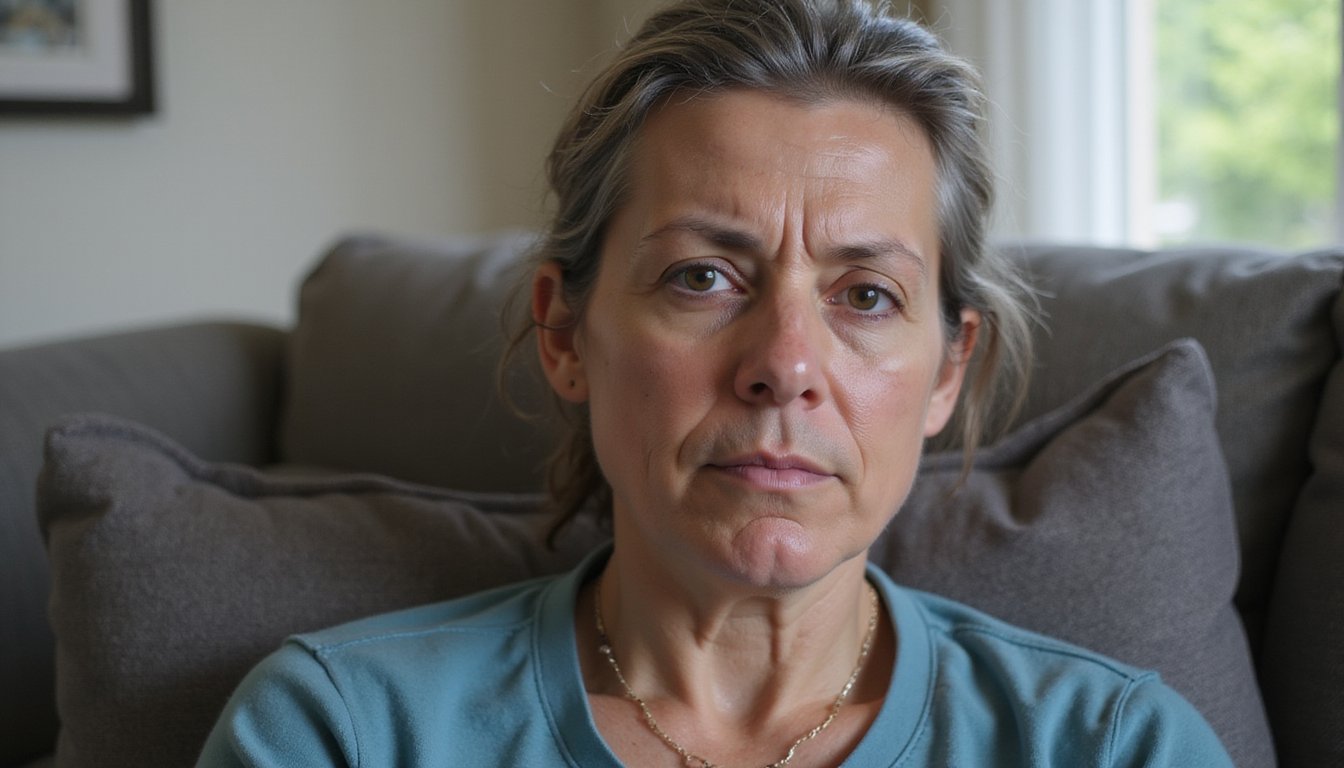
Couples rehab doesn’t work equally well for everyone, and understanding the limiting factors matters as much as knowing its benefits. If you’re managing a co-occurring mood or anxiety disorder, research shows you’ll likely need considerably more recovery attempts, which can strain joint recovery outcomes. Being single or lacking a stable, supportive home environment also reduces your chances of completing treatment. For Black individuals, data consistently shows higher numbers of recovery attempts are required, reflecting systemic disparities that couples-focused programs don’t automatically resolve. Relapse rates between 40, 60% in the first year remain a real concern regardless of treatment format. When psychiatric comorbidity, relationship instability, or unsupportive environments are present, couples rehab alone isn’t sufficient, individualized clinical support must run alongside any joint treatment approach. Couples rehab doesn’t work equally well for everyone, and understanding the limiting factors matters as much as knowing its benefits. If you’re managing a co-occurring mood or anxiety disorder, research shows you’ll likely need considerably more recovery attempts, which can strain joint recovery outcomes. Being single or lacking a stable, supportive home environment also reduces your chances of completing treatment. For Black individuals, data consistently shows higher numbers of recovery attempts are required, reflecting systemic disparities that couples-focused programs don’t automatically resolve. Relapse rates between 40, 60% in the first year remain a real concern regardless of treatment format.This is where understanding what couple therapy actually involves becomes important, as effective programs integrate individual mental health care, relapse prevention strategies, and structured relationship support rather than relying on joint sessions alone. When psychiatric comorbidity, relationship instability, or unsupportive environments are present, couples rehab alone isn’t sufficient, individualized clinical support must run alongside any joint treatment approach.
Heal Together, Recover Together
Building a sober relationship after rehab takes shared commitment, honest communication, and a plan to prevent relapse together. At Northridge Addiction Treatment Center, our Couples Treatment program in Los Angeles gives partners the tools, support, and structure needed to heal side by side, with approved phone and laptop access to stay connected throughout recovery. Call (855) 584-3819 today and take the first step toward lasting recovery together.
Frequently Asked Questions
How Long Does Couples Rehab Typically Last From Start to Finish?
Couples rehab typically lasts anywhere from 30 days to over a year, depending on your chosen format. If you’re pursuing inpatient treatment, you’ll spend 30 to 90 days in residential care. Outpatient Behavioral Couples Therapy runs 12 to 20 sessions across 3 to 6 months. Beyond active treatment, you’re encouraged to maintain continued contact for 3 to 5 years post-recovery, substantially diminishing your relapse risk over time.
Can Couples Rehab Be Completed Through an Online or Remote Program?
Yes, you can complete couples rehab through an online or remote program. Research shows that videoconferencing-based behavioral couples therapy produces outcomes comparable to in-person treatment, including improvements in relationship satisfaction, mental health, and therapeutic alliance. You’ll benefit from increased accessibility, flexible scheduling, and fewer attendance barriers. Success depends on your readiness to engage, a stable internet connection, and a distraction-free environment that supports meaningful clinical work.
Does Insurance Usually Cover the Cost of Couples Addiction Treatment?
Yes, insurance often covers couples addiction treatment when it’s deemed medically necessary. Most major health plans, including those under the Affordable Care Act, include substance use disorder services as essential benefits. Your coverage typically applies to detox, inpatient care, outpatient programs, and therapy sessions. Each partner’s treatment is usually billed independently. You’ll want to verify your specific plan’s network status, prior authorization requirements, and out-of-pocket costs like deductibles and copayments beforehand.
What Happens if One Partner Relapses After Completing Couples Rehab?
If one partner relapses after couples rehab, it doesn’t mean treatment failed or your relationship is over. Relapse is common, with rates reaching 40, 60% post-treatment, and it’s highest in the first year. You’ll both need to revisit your relapse prevention plan, re-engage in therapy, and lean on your support systems. Research shows that maintaining connection and continuing aftercare greatly improves long-term recovery outcomes for both of you.
Are There Specific Substances That Couples Rehab Is Most Effective Treating?
Couples rehab has shown the strongest evidence for treating alcohol and opioid use disorders, particularly through Behavioral Couples Therapy. If you’re struggling with these substances, you’ll find the most robust research supporting joint treatment outcomes. BCT also demonstrates effectiveness with stimulant and cannabis use disorders. Regardless of the substance, your shared commitment, communication patterns, and mutual accountability are what most strongly predict whether couples-based treatment will work for you.