Couples detox and residential treatment begin with a thorough intake assessment that explores your substance use history, relationship dynamics, and shared triggers. You’ll then move into medically supervised detox, where around-the-clock monitoring and medication-assisted treatment help manage withdrawal safely. Your first week establishes routine through counseling, group sessions, and early couples therapy. Weeks two through four deepen communication skills and relationship repair. Everything ahead is designed to support both your recovery and your relationship’s future.
What Happens During Couples Intake and Assessment?

When you and your partner first reach out to a couples rehab program, the intake and assessment process begins, either by phone or upon arrival at the treatment center. Staff will ask about your substance use history, medical background, and treatment goals. They’ll also explore your relationship dynamics, mutual triggers, and social supports to determine whether couples’ residential treatment is appropriate for both of you. This comprehensive approach helps ensure that both partners receive the most effective treatment for couples with drug addiction. By understanding each individual’s needs and how they intersect with the dynamics of the relationship, therapists can create a tailored plan. As you progress through the program, you will also learn healthier communication strategies and coping mechanisms together.
A thorough medical and psychiatric evaluation follows, identifying addiction severity, underlying health conditions, and emotional needs. A couple’s specific evaluation uncovers relationship patterns, boundary issues, and shared risk factors that may have contributed to addiction.
From there, clinicians develop a personalized treatment plan incorporating behavioral couples therapy, a recovery contract, and a clear path through detox, counseling, and aftercare services tailored to your shared and individual needs.
How Does Medical Detox Work for Couples?
Once your intake assessments are complete and treatment plans are in place, medical detox becomes the first active step in your recovery journey. During couples detox, both partners stop drug use while medical staff works toward stabilizing each person safely. You’ll receive around-the-clock monitoring, and clinicians will address withdrawal symptoms using targeted medications. For opioid dependence, medication-assisted treatment using buprenorphine, methadone, or naltrexone helps reduce physical and psychological discomfort. Naltrexone typically starts at 25 mg, increasing to 50 mg daily. Research shows that combining clonidine with naltrexone achieves 75, 81% completion rates. Detox generally lasts one to three weeks, depending on substance type and severity. In early recovery couples treatment, this stabilization phase creates the medical foundation necessary before therapy and longer-term treatment can begin. The medical detox process follows three core steps: evaluation, stabilization, and preparation for future treatment.
What Your First Week in Couples Rehab Actually Looks Like
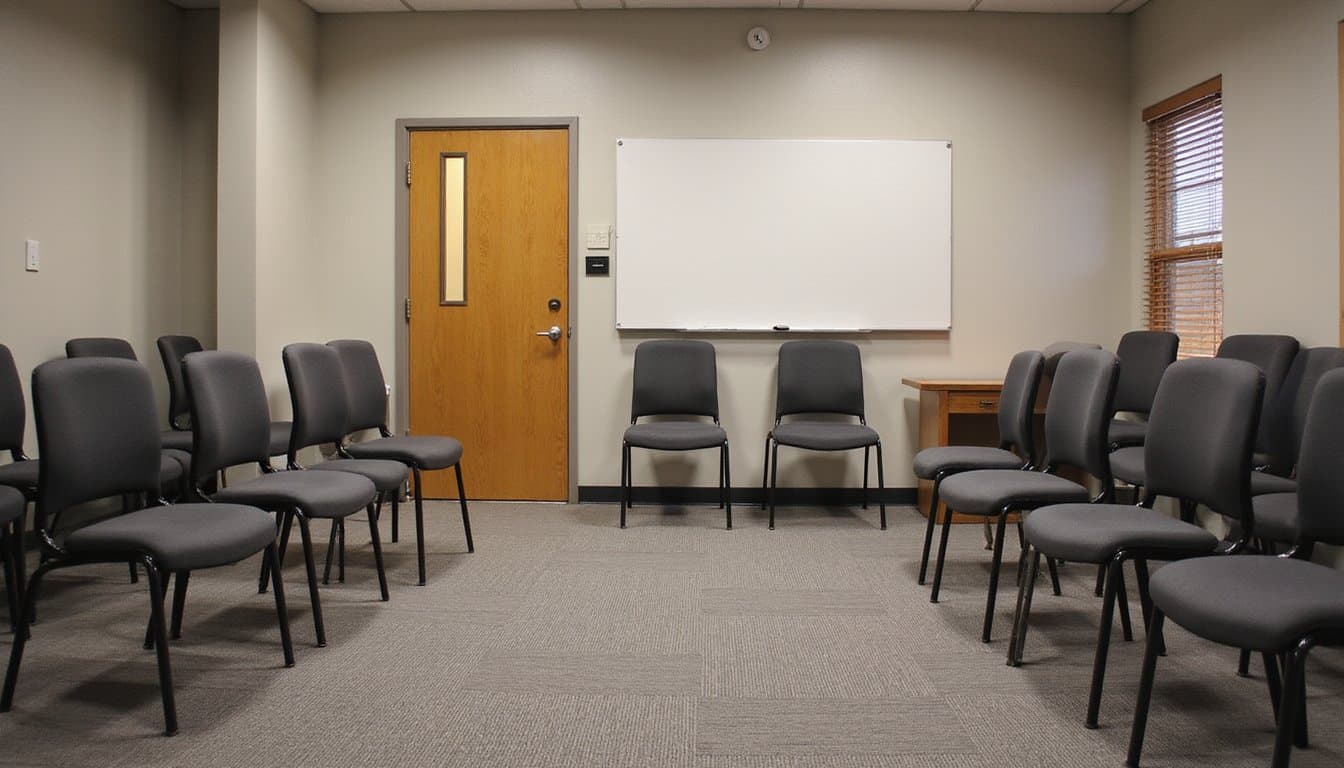
Your first week in couples rehab is structured, intentional, and often more manageable than you might expect. The couple’s rehab detox process begins with medical monitoring, essential checks, and withdrawal management to stabilize you physically by days four or five.
Once stable, your daily routine takes shape. Mornings include meditation or gentle movement, followed by meals and introductory group sessions. Afternoons involve individual counseling or educational workshops. Evenings shift toward reflection and journaling with clinical support nearby.
You’ll meet your primary counselor early in the week, beginning trust-building and personalized case planning. Initial couples therapy introduces small but meaningful practices, brief daily communication exercises and identifying shared activities that support connection. Simple, consistent behaviors like morning walks or ending the day with a gratitude check-in can meaningfully strengthen your bond during early recovery. Each element works together to establish safety, structure, and a foundation for lasting recovery. As couples navigate life after rehab for spouses, open communication becomes vital in addressing any lingering fears or concerns. Engaging in supportive dialogues encourages both partners to express their emotions and reaffirm their commitment to one another. This renewed focus on each other can help foster a positive environment where both individuals can thrive in their recovery journey.
What Therapy Covers in Weeks Two Through Four of Couples Treatment
Weeks two through four mark a significant shift in couples’ treatment, moving beyond stabilization into the deeper therapeutic work that drives lasting recovery. After detox for couples addiction treatment, you’ll engage in structured therapy targeting communication, relational repair, and substance accountability. This stage is crucial for addressing underlying issues that often contribute to substance use. In couples substance abuse treatment, you will explore patterns in your relationship that may have perpetuated addiction, fostering a deeper understanding of each partner’s role. Through guided sessions, couples will also learn to establish healthy boundaries and support each other’s recovery effectively.
| Focus Area | Key Interventions | Outcomes |
|---|---|---|
| Communication Skills | De-escalation, dialogue restructuring | Reduced reactive conflict |
| Substance Support | Recovery contracts, trigger management | Strengthened abstinence |
| Underlying Issues | History assessment, unmet needs | Root cause clarity |
| Relationship Repair | EFCT methods, bond rebuilding | Increased emotional closeness |
| Maintenance Planning | Relapse prevention, goal review | Sustained recovery integration |
You’ll identify negative cycles, practice healthier expression, and address vulnerabilities driving disconnection. Clinicians coordinate individual and couples sessions, gradually tapering frequency as your stability grows.
What Aftercare Looks Like After Couples Rehab

Completing couples rehab marks a shift, not an endpoint, aftercare is where the skills you’ve built get tested and reinforced in real-world conditions. After joint addiction detox and residential rehab for couples, your team develops a coordinated plan that typically includes outpatient therapy, support groups, and relapse prevention strategies. Step-down options like PHP or IOP help you move gradually while maintaining clinical structure. Recovery contracts establish shared boundaries, daily routines, and mutual accountability expectations. Individual therapy continues alongside couples counseling to protect each partner’s personal progress. Programs like Recovering Couples Anonymous offer peer-based support throughout post-treatment adjustment. Customized relapse prevention plans identify your specific triggers and outline clear steps if one partner struggles. Strong aftercare correlates directly with lower relapse rates and healthier long-term relationship outcomes.
Heal Together, Recover Together
Choosing to heal together is one of the most courageous decisions a couple can make. At Northridge Addiction Treatment Center, our Couples Treatment program evaluates each partner individually to deliver care that truly fits, with approved phone and laptop access to keep you connected to each other and the life you are building throughout recovery. Call (855) 584-3819 today and take the first step toward lasting recovery together.
Frequently Asked Questions
Can Couples Request to Room Together During Residential Treatment?
Yes, you can request to room together during residential treatment, but approval depends on a clinical and safety assessment. Programs like Trinity Behavioral Health approve most couples after evaluating their medical history, relationship dynamics, and withdrawal risks. If intimate partner violence, codependency, or differing detox needs are identified, temporary separation may be recommended. Your admissions navigator will discuss rooming options, boundaries, and structured supervision to safeguard your shared environment and support both partners’ recovery.
Are Pets Allowed at Couples Addiction Treatment Facilities?
Some couples addiction treatment facilities do allow pets, though policies vary by location. You’ll want to call ahead to confirm pet-friendly accommodations, as not every program offers this option. Facilities like Crosspointe Recovery and Ocean Ridge in California welcome pets, recognizing the emotional support they provide during recovery. Your pet must be vaccinated, house-trained, and well-socialized, and you’ll be responsible for managing their care independently throughout treatment.
What Happens if One Partner Wants to Leave Treatment Early?
If your partner wants to leave treatment early, it can seriously jeopardize both of your recoveries. Early departure increases relapse risk, disrupts the mutual support you’re building, and leaves codependency patterns unaddressed. Without completing therapy, you won’t have the communication skills needed to sustain sobriety together. Medical staff can help manage withdrawal discomfort that’s often driving the urge to leave. Encourage your partner to speak with clinicians before making any decisions.
Can Couples Receive Visitors During the First Weeks of Treatment?
During the first weeks of treatment, you’ll likely face visitation restrictions. Most facilities implement blackout periods during detox and early residential care, as outside contact can trigger cravings and disrupt stabilization. Your treatment team determines when you’re ready for visits based on your individual progress. When visitation is approved, it typically requires therapist authorization, pre-screening of visitors, and may involve staff oversight to facilitate the visit, supporting rather than undermining your recovery.
Is It Possible to Work Remotely While Attending Couples Rehab?
Yes, you can work remotely during couples rehab, but it depends on the program type. Most inpatient residential programs restrict work during early treatment to protect your focus on stabilization and emotional healing. However, executive or WorkFlex programs may permit supervised work blocks post-detox with medical clearance. Outpatient and PHP options offer greater flexibility. Clinicians recommend prioritizing treatment first, as work demands can interrupt the emotional rewiring essential to lasting recovery.