Boofing different drugs bypasses your liver’s first-pass metabolism, sending substances directly into your bloodstream for faster, more intense effects, and markedly higher risks. Cocaine strains your heart and produces toxic cocaethylene when mixed with alcohol. MDMA can trigger serotonin syndrome and dangerous overheating. Meth’s extended highs promote binge patterns and psychosis. Alcohol enemas bypass your vomit reflex, allowing fatal blood alcohol levels before you recognize danger. Understanding each substance’s specific risks can help you make more informed choices.
How Boofing Bypasses Your Body’s Defenses
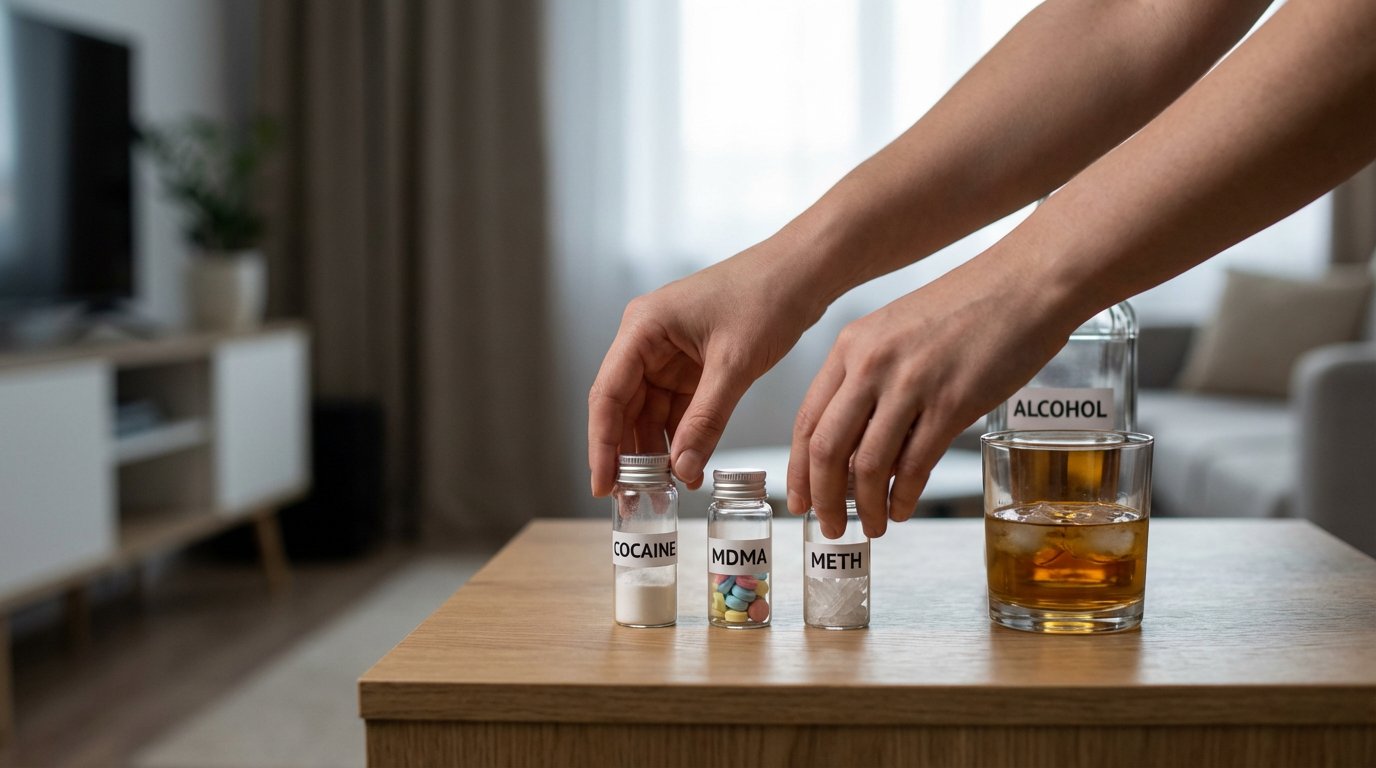
When you swallow a drug, your body runs it through a gauntlet of defenses before it reaches your bloodstream. Your stomach acid breaks down compounds, digestive enzymes neutralize toxins, and your liver filters out a sizable portion through first-pass metabolism.
Boofing circumvents nearly all of these protective mechanisms. The rectal mucosa is thin, highly permeable, and rich with blood vessels that deliver substances directly into systemic circulation within minutes. You’re removing your body’s natural dose-reduction system. The thin walls of the rectum facilitate this swift absorption, making effects felt much quicker compared to other methods. Boofing circumvents nearly all of these protective mechanisms, illustrating how boofing affects health at a physiological level. The rectal mucosa is thin, highly permeable, and rich with blood vessels that deliver substances directly into systemic circulation within minutes. You’re removing your body’s natural dose-reduction system. The thin walls of the rectum facilitate this swift absorption, making effects felt much quicker compared to other methods.
This bypass creates dangerous conditions. A dose you’d tolerate orally becomes far more potent rectally. You also lose protective reflexes like vomiting that normally expel excessive amounts. Impurities and cutting agents reach your organs without filtration, increasing toxicity risks substantially. With alcohol specifically, this method can lead to immediate alcohol poisoning since the body cannot reject the substance through vomiting once absorbed rectally.
Boofing Cocaine: Heart Strain and Cocaethylene Danger
Because rectal administration bypasses your body’s first-pass metabolism, cocaine reaches your bloodstream with higher bioavailability than oral routes, and your cardiovascular system bears the full impact. Cocaine acts as a potent sympathomimetic, triggering tachycardia, hypertension, and vasoconstriction that strain your heart. It also blocks sodium channels in cardiac tissue, predisposing you to dangerous arrhythmias.
When you combine cocaine with alcohol, your liver produces cocaethylene, a metabolite with a longer half-life and considerably greater cardiotoxicity. Research suggests cocaethylene may be over ten times more cardiotoxic than cocaine alone, with some analyses indicating an 18- to 25-fold higher risk of immediate death. Cocaethylene stops the reabsorption of dopamine, reinforcing pleasure-seeking behavior and impairing judgment, which can lead to continued dangerous use. Additionally, cocaethylene acts as a more potent sodium channel blocker than cocaine itself, further reducing conduction velocity in the heart and increasing arrhythmia risk.
Rectal cocaine use sustains elevated heart rate and blood pressure, compounding ischemia and stroke risk. If you have underlying heart conditions, these dangers multiply substantially.
Boofing MDMA: Serotonin Syndrome and Overheating
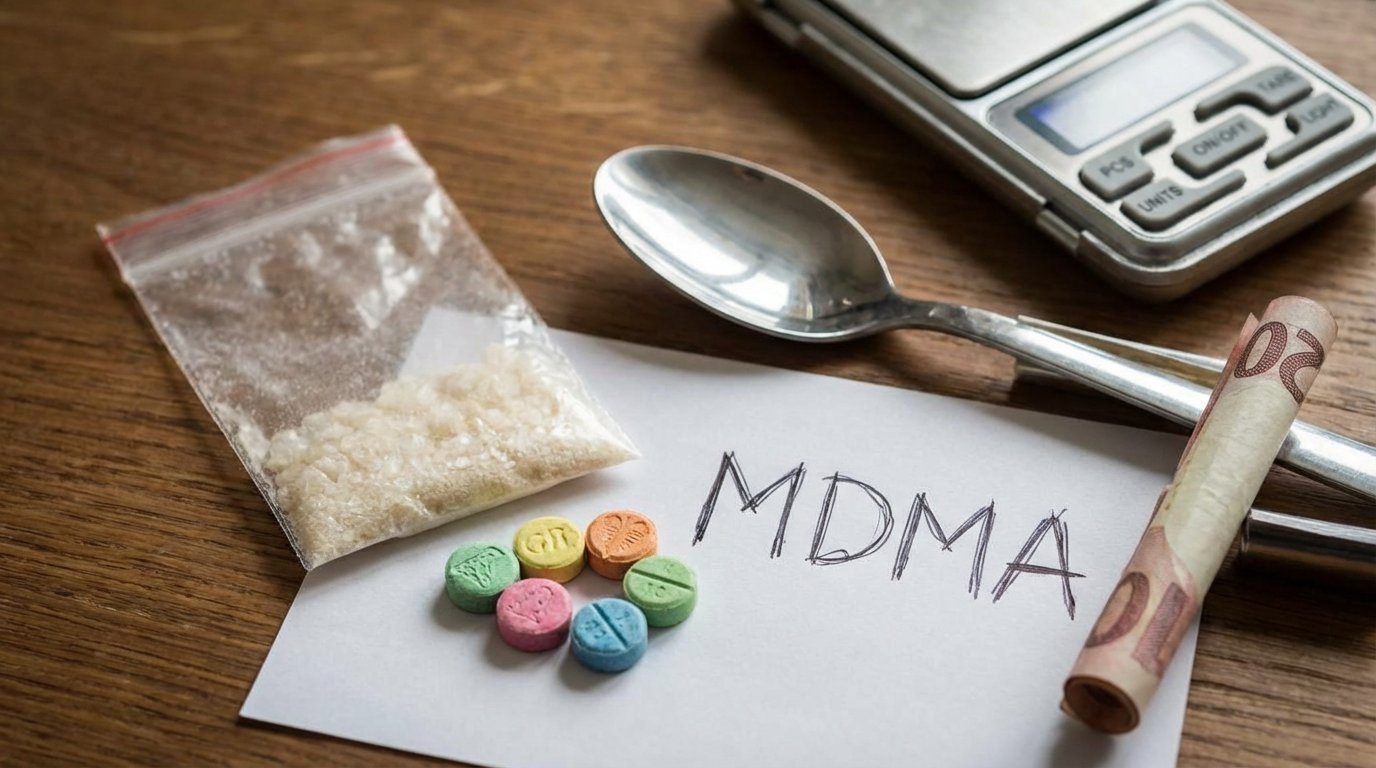
When you boof MDMA, you’re bypassing first-pass metabolism and creating steeper plasma concentration spikes that can push your body past the threshold for serotonin syndrome, watch for confusion, muscle rigidity, and rapid heart rate as early warning signs. Your core temperature can climb dangerously above 40°C, especially in hot environments or while dancing, leading to heatstroke, organ damage, and potentially fatal outcomes. MDMA also disrupts your body’s ability to regulate fluids and sodium, so both severe dehydration and overhydration (causing brain-swelling hyponatremia) become serious risks you need to monitor. Because boofing allows drugs to enter the bloodstream in as little as 30 seconds, these dangerous effects can escalate rapidly before you have time to respond. The intensified high that users seek through rectal administration significantly increases the likelihood of overdose compared to oral ingestion.
Serotonin Syndrome Warning Signs
Serotonin syndrome can develop rapidly after MDMA use, and recognizing the warning signs early may prevent a medical emergency.
Watch for initial symptoms like tremor, agitation, dilated pupils, and heavy sweating unrelated to your environment. You might notice muscle twitching, jaw clenching, or involuntary eye movements. Racing heartbeat and sudden anxiety often accompany these physical signs.
As severity increases, you may experience confusion, disorientation, or extreme restlessness. Exaggerated reflexes and rhythmic muscle contractions indicate moderate toxicity requiring immediate attention.
Seek emergency help if you develop severe muscle rigidity, seizures, irregular heartbeat, or loss of consciousness. These represent life-threatening progression. Mild reactions may improve with rest in a cool environment, but moderate or severe cases require immediate medical intervention including cooling, fluid replacement, and potentially hospitalization.
MDMA combined with SSRIs, MAOIs, or other serotonergic substances dramatically increases your risk. Symptoms can escalate from mild to severe within minutes, making rapid recognition critical for survival. According to FDA adverse event data, amphetamines, opioids, and benzodiazepines were among the most common drug classes reportedly taken alongside MDMA in serotonin syndrome cases.
Dangerous Body Temperature Spikes
While serotonin syndrome represents one dangerous outcome of MDMA use, hyperthermia can develop through additional mechanisms that don’t require classic serotonergic toxicity. MDMA directly alters your body’s thermoregulation by triggering heat production in brain regions like the nucleus accumbens and activating brown adipose tissue.
When boofing MDMA, faster absorption may produce rapid temperature spikes that overwhelm your cooling systems. Environmental factors dramatically compound this risk, hot venues, humidity, dancing, and crowding can amplify brain temperature increases by nearly 89% compared to isolated use. Research shows that at warm ambient temperatures around 29°C, MDMA can push brain temperatures to biological limits of 41°C, resulting in fatalities in most test subjects.
Core temperatures exceeding 40°C can trigger rhabdomyolysis, seizures, and multi-organ failure. Temperatures above 40.5°C constitute immediate medical emergencies. Redosing intensifies cumulative heat load, and rectal administration’s unpredictable absorption makes accurate dosing particularly difficult, elevating your risk of dangerous hyperthermia even without full serotonin syndrome. The risk is further compounded because unregulated pills may contain multiple doses of MDMA, making it impossible to gauge how much heat-generating substance you’re actually administering.
Hydration and Electrolyte Risks
Beyond temperature dysregulation, MDMA disrupts your body’s fluid and electrolyte balance through direct effects on antidiuretic hormone (AVP) secretion. This creates a dangerous paradox: you feel dehydrated while your body actually retains water, leading to dilutional hyponatremia.
Unlike methamphetamine, ketamine, alcohol, or fentanyl, MDMA specifically triggers SIADH-like water retention. Combined with excessive hypotonic fluid intake, this can cause:
- Cerebral edema from critically low sodium levels, progressing to seizures and coma
- Cellular hyperhydration despite subjective thirst and dry mouth sensations
- Electrolyte depletion from sweating without balanced replacement
Symptomatic hyponatremia isn’t rare, controlled studies show consistent sodium reductions with MDMA exposure. Research demonstrates that MDMA combined with water loading decreases serum sodium more than either factor alone. Drinking large amounts of plain water amplifies this risk. HMMA, a major MDMA metabolite, is a potent releaser of AVP, further compounding the water retention problem. If you’re experiencing confusion, headache, or vomiting after MDMA use, seek medical evaluation immediately.
Boofing Meth: Extended Highs and Psychosis Risk

Because rectal administration bypasses much of the liver’s first-pass metabolism, boofing meth delivers higher bioavailability and faster onset than oral use, subjecting your brain to more intense stimulant exposure. This intensity prolongs wakefulness and promotes binge patterns that trigger acute psychosis. The risk of overamping can be fatal, particularly for those who have not been sleeping, eating, or hydrating properly. Repeated rectal administration can also cause significant tissue damage and increase susceptibility to infections in the anal region.
| Risk Category | Acute Effects | Chronic Consequences |
|---|---|---|
| Cardiovascular | Tachycardia, hypertension | Heart damage |
| Neurological | Seizures, hyperthermia | Dopaminergic pathway damage |
| Psychiatric | Agitation, paranoia, hallucinations | Persistent psychotic symptoms |
| Behavioral | Violent behavior, risky sexual acts | Escalating dependence |
| Cognitive | Confusion, disorientation | Long-term impairment |
Boofing meth reinforces compulsive use when you can only achieve desired effects through rectal dosing. This dependency pattern increases your likelihood of experiencing meth-induced psychosis, mood disorders, and suicidality.
Boofing meth reinforces compulsive use when you can only achieve desired effects through rectal dosing, a pattern often discussed in boofing drug slang definitions explained within drug-using communities. This dependency pattern increases your likelihood of experiencing meth-induced psychosis, mood disorders, and suicidality.
Boofing Alcohol: Fast Poisoning Without the Vomit Reflex
When you introduce alcohol directly into your rectum, you’re bypassing the body’s most critical defense against poisoning, the vomit reflex. Boofing alcohol sends ethanol rapidly into your bloodstream, skipping first-pass liver metabolism and causing blood alcohol concentration to spike dangerously fast.
The consequences can be severe:
- Overdose before awareness: You can reach life-threatening BAC levels before recognizing typical signs of drunkenness
- Chemical tissue damage: Concentrated alcohol causes proctocolitis, mucosal burns, bleeding, and potential perforation
- Fatal outcomes documented: Case reports confirm deaths from self-administered alcohol enemas
Some believe boofing alcohol reduces nausea or hangovers, but this misconception ignores the escalated poisoning risk. Without your stomach’s protective expulsion mechanism, there’s no safety valve. Your body can’t reject what’s already absorbed. Additionally, sharing boofing equipment increases the risk of contamination and transmission of infectious diseases.
Why Boofing Multiple Substances Multiplies the Danger
The dangers of rectal drug administration escalate dramatically when you combine multiple substances in a single session. When you’re boofing drugs, each substance bypasses first-pass metabolism, resulting in higher bioavailability that magnifies combined effects unpredictably.
Mixing stimulants like cocaine and meth sharply increases catecholamine levels, raising your risk of hypertension, arrhythmias, stroke, and hyperthermia. Adding MDMA intensifies serotonin activity, potentially triggering serotonin syndrome or psychosis.
Street drugs frequently contain hidden fentanyl contamination, meaning you may unknowingly introduce opioids into an already dangerous combination. This drastically elevates respiratory arrest risk.
Your body can’t distinguish between intentional polydrug use and accidental contamination. The rapid absorption from rectal administration creates steep blood concentration spikes, quickly crossing overdose thresholds before you recognize warning signs.
Safer Boofing Practices if You’re Going to Do It Anyway
Harm reduction organizations recognize that some people will choose rectal drug administration regardless of warnings, so providing accurate safety information can reduce preventable injuries and deaths. Whether you’re boofing cocaine or other substances, following evidence-based practices considerably lowers your risk of overdose, infection, and tissue damage.
- Use sterile equipment: Always use a new, needleless oral syringe and water-based lubricant to prevent tears and bacterial introduction.
- Reduce your dose: Cut your typical oral or snorted amount by 25, 50% since rectal absorption happens faster and more intensely.
- Test your drugs: Fentanyl contamination affects cocaine, MDMA, and meth supplies, test strips can detect lethal adulterants.
Don’t boof if you have hemorrhoids, sores, or recent injuries. Have someone nearby who can call emergency services if you become unresponsive.
Frequently Asked Questions
How Long Should I Wait Between Boofing Different Substances on the Same Night?
There’s no evidence-based “safe” interval between boofing different substances the same night. Rectal absorption is faster and more potent, so timing gaps don’t protect you the way you might expect. Stimulant stacking compounds cardiovascular strain for hours, and alcohol creates toxic metabolites like cocaethylene that persist long after you feel sober. Harm-reduction experts recommend avoiding same-night combinations entirely rather than relying on waiting periods, since risks remain cumulative and unpredictable.
Can I Reverse Rectal Drug Absorption if I Change My Mind?
No, you can’t meaningfully reverse rectal drug absorption once it’s begun. The rectal mucosa absorbs drugs rapidly into your bloodstream, and this process isn’t reversible. Attempting removal through expulsion or irrigation won’t retrieve dissolved drugs already crossing the mucosal barrier. If you’re concerned about overdose, seek medical help immediately, treatment focuses on systemic supportive care, not local removal. This is why dosing cautiously from the start matters most.
Does Body Position Affect How Quickly Boofed Drugs Enter My Bloodstream?
Yes, your body position directly affects absorption speed. Lying flat or slightly on your side provides more consistent blood flow to the rectal area, while standing reduces pelvic circulation by up to 37%. Elevating your hips shifts the solution toward veins that pass through your liver first, altering how much drug reaches your bloodstream. Staying in one position for 15, 30 minutes produces more predictable absorption than moving around.
Are There Medical Treatments Specifically for Rectal Drug Overdose Situations?
Medical teams use some rectal-specific interventions for boofing-related overdoses. They’ll perform a digital rectal exam to remove retained drugs, administer phosphate enemas to flush residual substances, or use whole bowel irrigation if needed. However, there’s no established rectal-route protocol, treatment mainly follows standard overdose care: airway management, antidotes based on the drug involved, and cardiac monitoring. If you’ve boofed and experience overdose symptoms, tell responders what you used.
How Do I Know if Rectal Tissue Damage Requires Emergency Medical Attention?
You need emergency care if you experience bright red bleeding that won’t stop, severe or worsening rectal pain, abdominal rigidity or guarding, fever with chills, foul-smelling discharge, or signs of shock like dizziness and rapid heartbeat. Don’t wait if you can’t pass stool or gas, notice tissue discoloration, or feel generally very unwell after rectal drug use. These signs suggest perforation, infection, or serious injury requiring immediate treatment.