Using NyQuil for sleep isn’t recommended because it wasn’t designed as a sleep aid. The drowsiness you feel comes from doxylamine, an antihistamine that disrupts your natural sleep cycles rather than supporting them. Each dose also contains 650 mg of acetaminophen, which stresses your liver with repeated use. You’ll likely develop tolerance within days, and long-term use can lead to cognitive impairment and rebound insomnia. Understanding the full risks can help you find safer solutions.
Is NyQuil Safe to Use as a Sleep Aid?
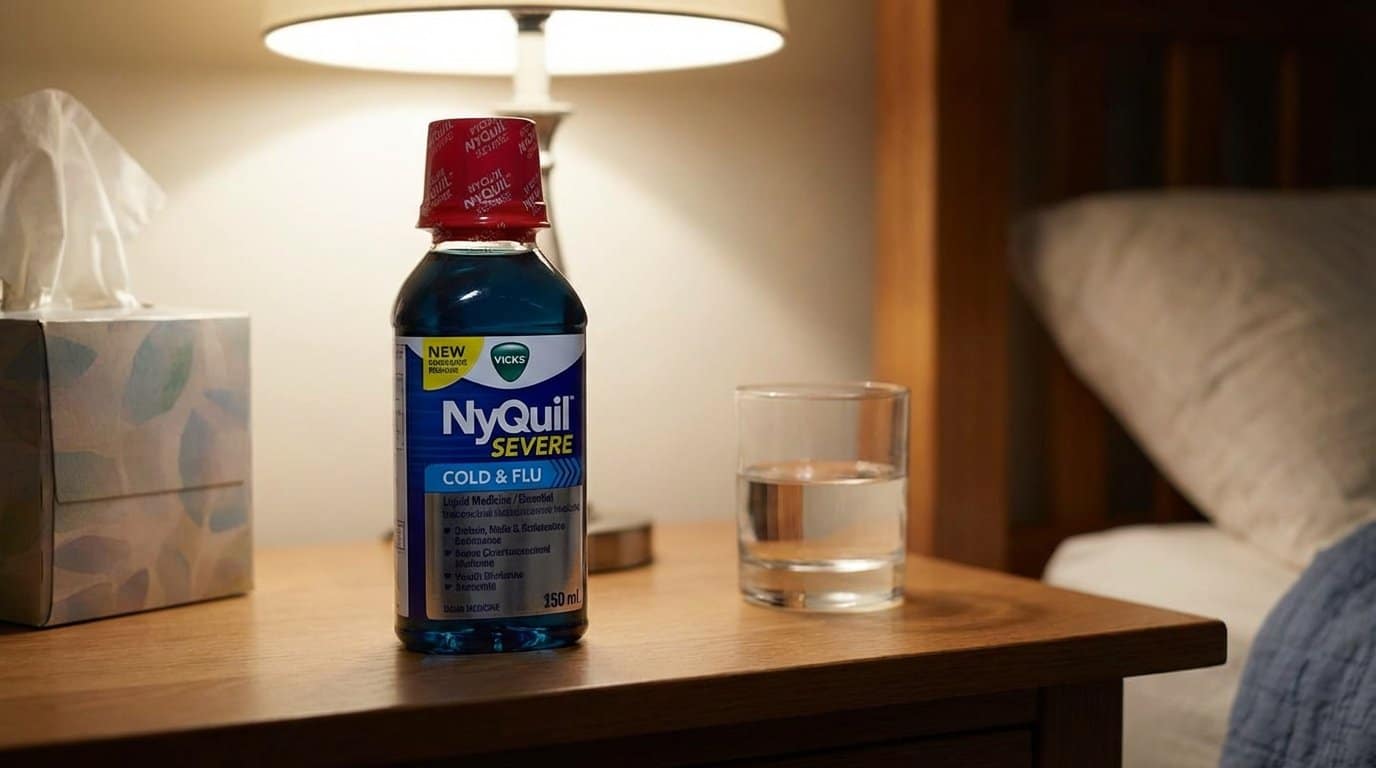
While NyQuil effectively knocks out cold symptoms, it wasn’t designed for standalone sleep support, and using it that way comes with measurable risks. Each dose delivers 650 mg of acetaminophen, stressing your liver without providing any sleep benefit. The sedative effect comes from doxylamine, which disrupts natural sleep cycles and triggers tolerance development within weeks.
Short-term use as directed remains safe, but nightly off-label consumption creates serious safety concerns. You risk rebound insomnia when stopping abruptly, and the alcohol in liquid formulations further degrades sleep quality. High risk groups, including pregnant individuals, older adults, and those with liver conditions, face amplified dangers like liver damage and cognitive impairment. Relying on NyQuil may also mask underlying sleep disorders that require proper medical evaluation. Research has linked chronic use of antihistamines like doxylamine to increased dementia risk in long-term users. If you’re seeking sleep help, consult your doctor about safer alternatives.
Why NyQuil Makes You So Drowsy
When you take NyQuil, the antihistamine doxylamine succinate blocks histamine at H1 receptors throughout your body, directly suppressing the chemical signals that keep your brain alert. Unlike newer antihistamines, doxylamine easily crosses your blood-brain barrier within 30 minutes, inhibiting the neurotransmitters responsible for maintaining wakefulness. If you’re already fighting an illness, your body’s weakened state can amplify these sedative effects, making the drowsiness feel even more pronounced. This sedative effect is intentional, as NyQuil is specifically designed as a nighttime formula to help you rest while recovering from cold and flu symptoms. The drowsy effects typically last around six hours, which is why taking NyQuil requires dedicating adequate time for sleep.
Doxylamine Blocks Histamine Receptors
Doxylamine, the antihistamine in NyQuil, produces its powerful sedative effects by competitively blocking H1 histamine receptors throughout your body and brain. As a first-generation antihistamine, doxylamine crosses the blood-brain barrier easily, allowing it to inhibit CNS histamine signaling that normally keeps you awake and alert.
This H1 antagonism disrupts your brain’s wake-promoting pathways, creating the sedative and hypnotic effects you experience after taking NyQuil. The drug doesn’t discriminate between receptor locations, blocking histamine in both peripheral tissues and central nervous system areas that regulate sleep-wake cycles. Due to these properties, doxylamine is primarily used as a sleep aid for occasional insomnia rather than for long-term treatment.
Beyond histamine antagonism, doxylamine also blocks muscarinic acetylcholine receptors, contributing additional CNS depressant activity. This dual mechanism intensifies drowsiness but also increases your risk of anticholinergic side effects like dry mouth, blurred vision, and urinary retention. You should avoid concomitant alcohol use when taking doxylamine, as combining these substances causes pronounced somnolence and is considered contraindicated.
Rapid Blood-Brain Penetration
Because NyQuil’s sedative ingredients possess high lipid solubility, they penetrate your blood-brain barrier rapidly through passive diffusion, the same mechanism that allows recreational drugs like nicotine and ethanol to reach your CNS quickly.
Your blood-brain barrier typically restricts paracellular transport through tight junctions, but lipid-soluble compounds bypass this limitation via transcellular transport. Dextromethorphan and its metabolites are particularly lipophilic, achieving significant CNS penetration that varies by individual. The BBB is composed primarily of endothelial cells, with glial cells and neurons in close proximity regulating its function.
While P-glycoprotein acts as an efflux transporter that pumps substances out of your brain, it exhibits weak affinity for many compounds. This allows NyQuil’s active ingredients to accumulate sufficiently to exert sedative effects despite efflux activity. Unlike osmotic disruption or adsorptive transcytosis mechanisms used in clinical drug delivery, NyQuil relies entirely on passive diffusion for its rapid onset. In contrast, intranasal delivery methods can bypass the blood-brain barrier entirely, allowing therapeutics to reach the CNS within minutes via olfactory and trigeminal nerve pathways.
Illness Amplifies Sedative Effects
Your body’s response to NyQuil augments greatly during illness because multiple pharmacological mechanisms converge with your compromised physiological state. When you’re sick, cold symptoms like coughing, congestion, and body aches already disrupt your natural sleep patterns, heightening your sensitivity to sedative effects.
Doxylamine succinate blocks histamine receptors in your brain while dextromethorphan suppresses your cough reflex and acts as a central nervous system depression agent. These compounds synergize to produce pronounced drowsiness. The 25% alcohol content further amplifies this sedation, creating layered chemical drowsiness. Peak drowsiness typically occurs within 1, 2 hours after taking the medication, coinciding with when your symptoms may feel most overwhelming.
However, this forced sedation doesn’t translate to quality rest. NyQuil suppresses REM and deep sleep stages essential for recovery, meaning you’ll experience sedation rather than restorative sleep quality. The medication provides symptom relief during illness but isn’t designed for sleep improvement alone. Continuing use beyond the manufacturer’s recommended 3-7 days will not restore NyQuil’s initial effectiveness and may mask underlying health conditions requiring proper medical attention.
What Happens If You Take NyQuil for Sleep Every Night?
Taking NyQuil nightly transforms a short-term symptom reliever into a source of progressive harm. When you use this over the counter medication regularly for sleep, your body undergoes several damaging changes. Tolerance development occurs within days, forcing you to increase doses for the same sedative effect. Taking NyQuil nightly transforms a short-term symptom reliever into a source of progressive harm. When taking nyquil everyday for sleep, your body undergoes several damaging changes: tolerance can develop within days, forcing you to increase doses to achieve the same sedative effect, which compounds risks without improving sleep quality.
Key risks of nightly NyQuil use include:
- Liver toxicity risks from cumulative acetaminophen exposure exceeding safe limits
- Cognitive impairment linked to doxylamine’s anticholinergic properties, particularly dementia risk in older adults
- Dependence withdrawal symptoms including rebound insomnia, anxiety, and nausea upon cessation
- Disrupted sleep architecture that worsens underlying sleep disorders rather than treating them
Each night you take NyQuil without illness, you’re exposing yourself to unnecessary compounds while masking potential sleep disorders requiring proper clinical evaluation. The dextromethorphan in NyQuil can also produce euphoric, dissociative effects with repeated exposure, adding another layer of risk to habitual use. Since NyQuil’s effects last about six hours, repeated dosing throughout the night further compounds these dangers.
NyQuil Side Effects That Can Ruin Your Next Day

Beyond the cumulative damage from nightly use, NyQuil’s active ingredients produce immediate side effects that extend well into your following day. Doxylamine succinate carries a half-life of up to 10 hours, meaning sedation lingers long after you wake. This prolonged action disrupts your sleep cycles and leaves you battling mental fog and tiredness throughout the morning.
Dextromethorphan compounds these problems by causing dizziness and lightheadedness that impair your coordination and reaction times. You’ll also experience anticholinergic effects including dry mouth, dry eyes, and blurred vision as the antihistamine reduces secretions throughout your body. These impairments can be severe enough that driving while affected by NyQuil mirrors alcohol intoxication and can result in DUI charges.
Fatigue intensifies when sleep deprivation slows doxylamine clearance from your system. Many users report a distinct “NyQuil hangover” characterized by persistent grogginess that undermines productivity and alertness the entire next day. In rare cases, more serious side effects may include mood changes, rash, and seizures, which require immediate medical attention.
Who Shouldn’t Use NyQuil for Sleep
Certain populations face heightened risks when using NyQuil as a sleep aid, making it contraindicated for these groups.
During pregnancy and nursing, acetaminophen and doxylamine pose risks to fetal development, while sedatives transfer through breast milk, causing infant drowsiness. Children and teens may experience paradoxical reactions including excitability, confusion, or seizures. Older adults face increased susceptibility to sedation, dangerous falls, and elevated dementia risk from chronic use. Falls in this age group can result in broken bones, hospitalizations, and death.
If you have liver conditions, avoid NyQuil entirely, acetaminophen causes severe hepatotoxicity and remains the leading cause of acute liver failure in the US.
Watch for these critical medication interactions:
- Sedatives and opioids amplify dangerous sedation
- Blood pressure medications create adverse effects
- Other cold medicines risk acetaminophen overdose
- MAOIs pose severe interaction risks
Safer Alternatives to NyQuil When You Can’t Sleep

When you’re struggling with sleep but don’t have cold symptoms, several evidence-based alternatives offer targeted relief without NyQuil’s unnecessary ingredients. Melatonin regulates your natural sleep-wake cycle and works well for jet lag. Valerian root increases brain GABA levels and is safe for daily use. Lavender’s soothing fragrance enhances sleep quality through psychological relaxation.
| Supplement | Primary Benefit | Key Consideration |
|---|---|---|
| Passionflower | Improves sleep quality | Steep tea 10 minutes |
| Magnesium | Reduces nighttime waking | May cause diarrhea |
| Glycine | Enhances overall sleep | Rare side effects |
Chamomile tea acts as a gentle sedative, while l-theanine (up to 200mg) promotes relaxation. CBD offers calming effects without intoxication. These options provide safe, targeted sleep support without exposing you to acetaminophen or alcohol.
Frequently Asked Questions
Can I Take Nyquil With Other Medications Like Antidepressants or Blood Pressure Pills?
You should avoid taking NyQuil with antidepressants or blood pressure medications without consulting your doctor first. NyQuil’s dextromethorphan can trigger serotonin syndrome when combined with SSRIs or MAOIs, causing confusion, rapid heart rate, and muscle rigidity. The sedating antihistamine doxylamine amplifies drowsiness with antidepressants. Some NyQuil variants contain decongestants that raise blood pressure, counteracting your medication. Always verify ingredients and talk to your pharmacist before combining these drugs.
How Long Should I Wait After Drinking Alcohol Before Taking Nyquil?
You should wait at least 12 hours after drinking alcohol before taking NyQuil. This waiting period allows your body to metabolize the alcohol and reduces dangerous drug interactions. Since NyQuil’s liquid form already contains 10% alcohol, combining it with additional alcohol increases risks of severe liver damage, respiratory depression, and enhanced sedation. If you have liver conditions or medication sensitivities, consult your healthcare provider for personalized guidance on appropriate waiting times.
Will Nyquil Show up on a Drug Test at Work?
Standard 5-panel and 10-panel workplace drug screenings don’t target NyQuil’s active ingredients. However, you should know that dextromethorphan can trigger false positives for opioids or PCP, while doxylamine may cause false positives for methadone. Alcohol-containing formulas might briefly register on alcohol-specific tests. If you’re facing a drug test, disclose your NyQuil use to the administrator beforehand and wait at least 48 hours after your last dose to minimize detection risk.
Can I Take Half a Dose of Nyquil Just for Sleep?
You can take half a dose (15 mL or 1 capsule), but it’s not recommended for sleep alone. You’ll still get 6.25 mg of doxylamine, which causes drowsiness lasting up to 8 hours. However, you’re also exposing your liver to 325 mg of unnecessary acetaminophen. If you’re using NyQuil regularly just for sleep, consult your doctor about taking doxylamine alone, it’s safer without the extra ingredients your body doesn’t need.
Is Zzzquil the Same as Nyquil for Helping With Sleep Problems?
No, ZzzQuil isn’t the same as NyQuil. ZzzQuil contains only diphenhydramine (50mg per caplet) and is specifically designed as a sleep aid. NyQuil combines multiple active ingredients, acetaminophen, dextromethorphan, and doxylamine, formulated for cold and flu symptom relief. If you’re seeking sleep help without being sick, ZzzQuil is the safer choice since you won’t expose yourself to unnecessary medications like pain relievers and cough suppressants that serve no sleep-related purpose.